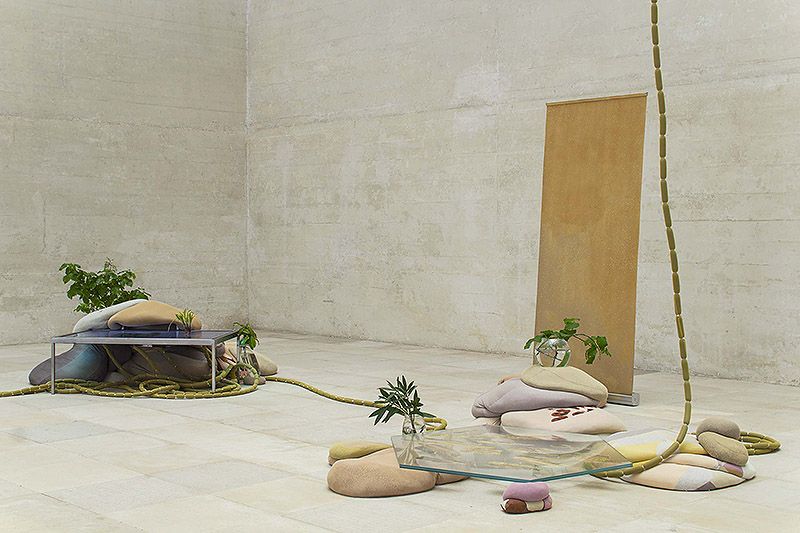
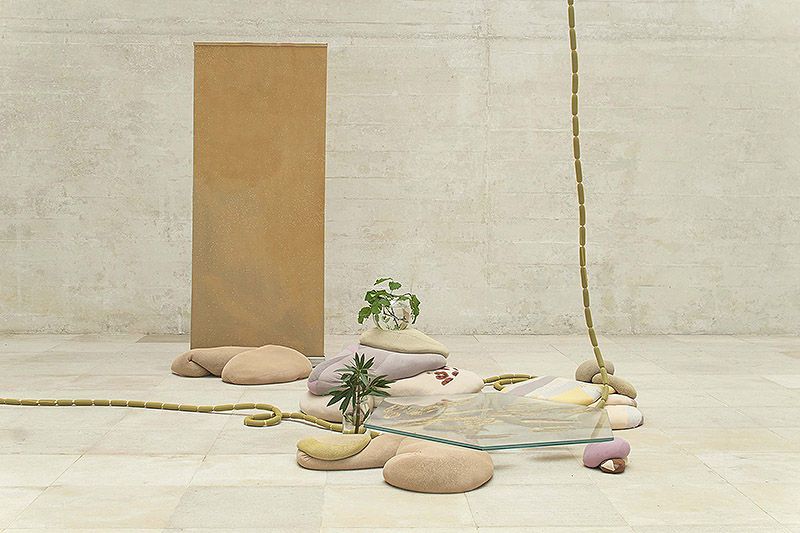
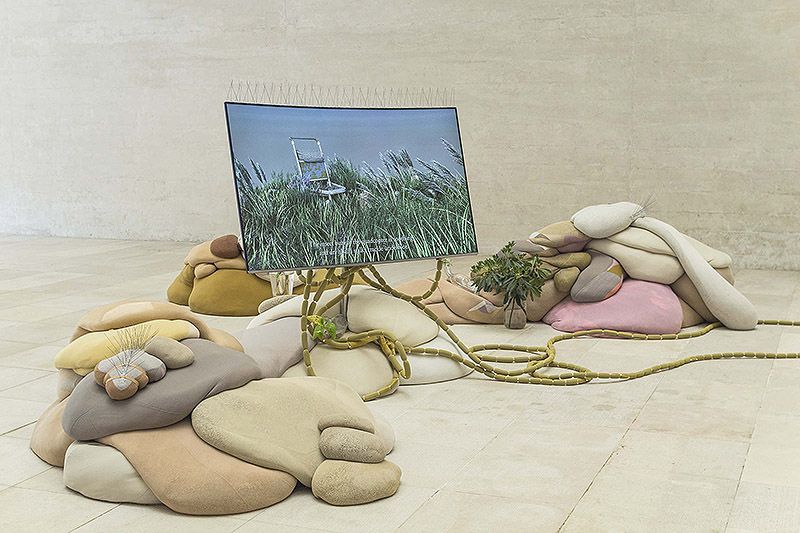
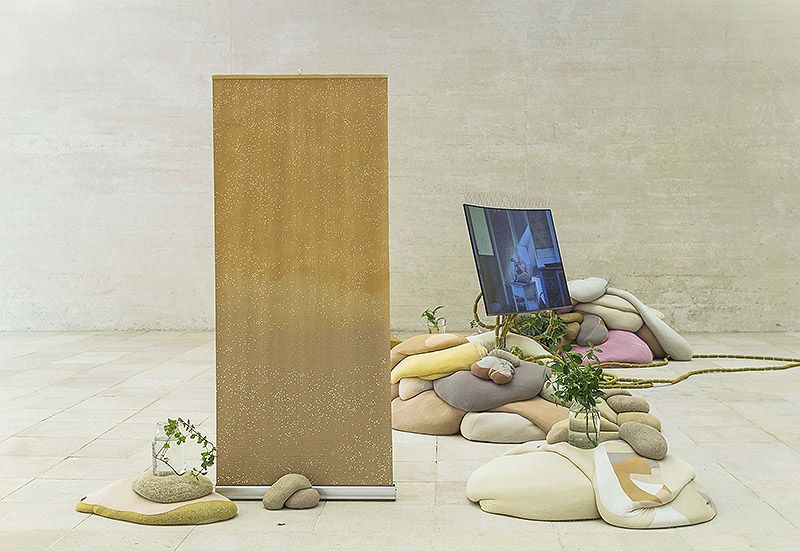
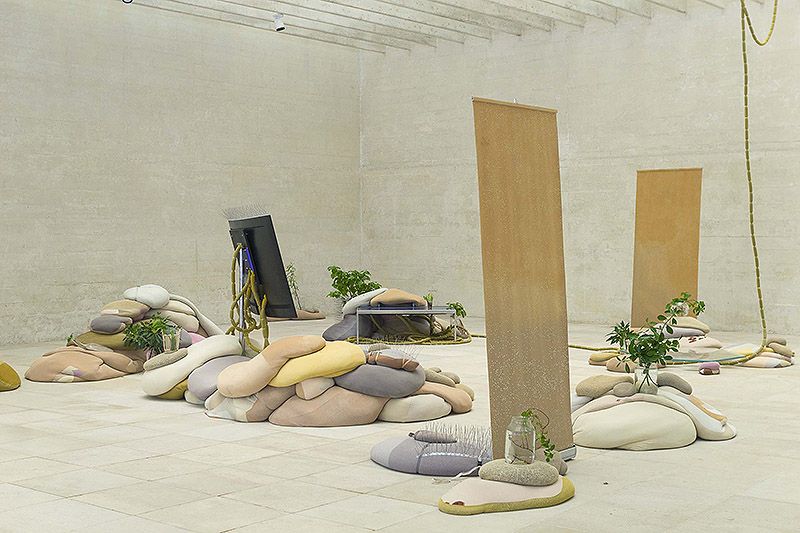
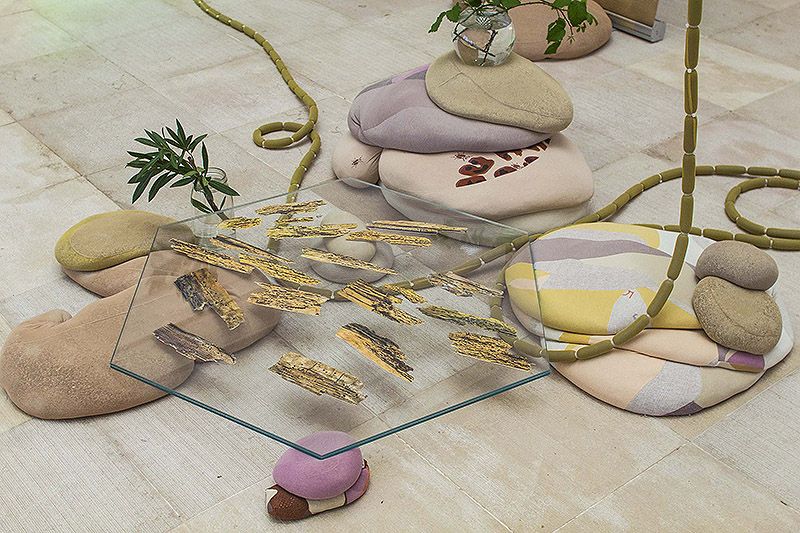
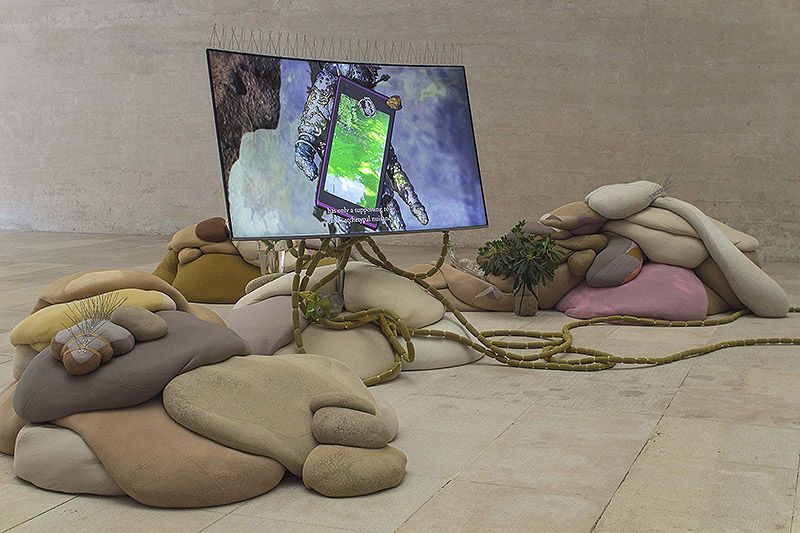
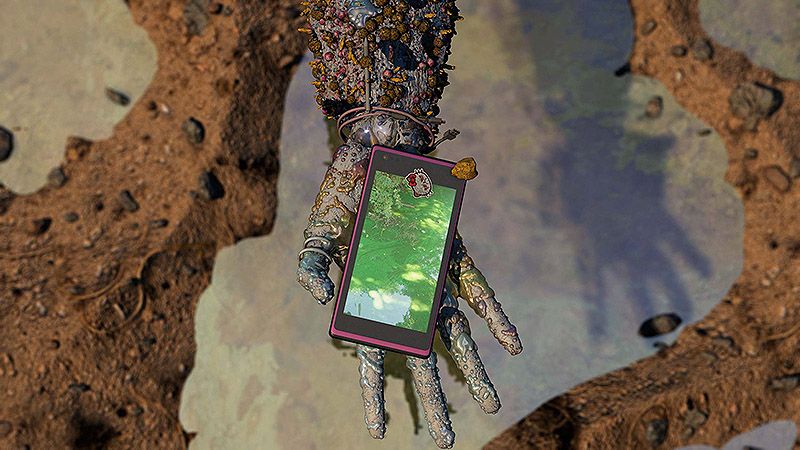
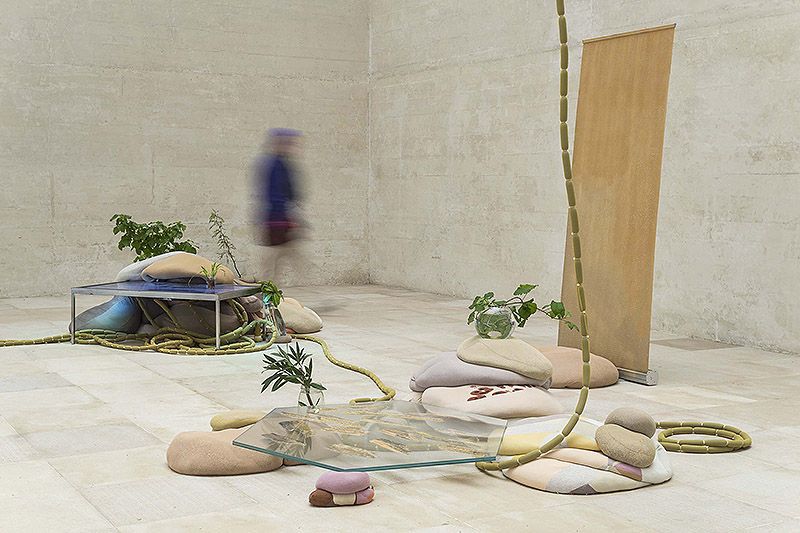
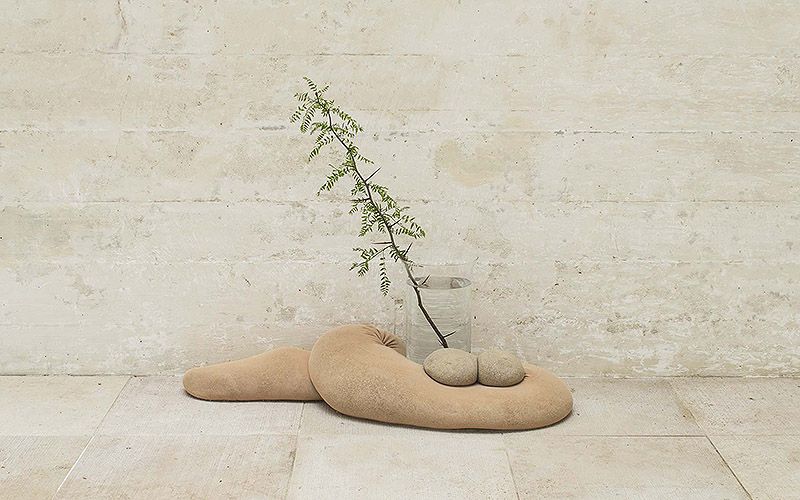
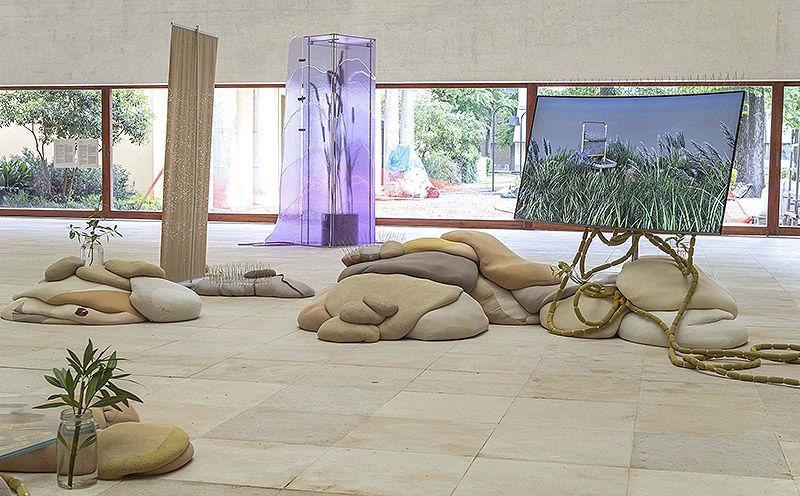
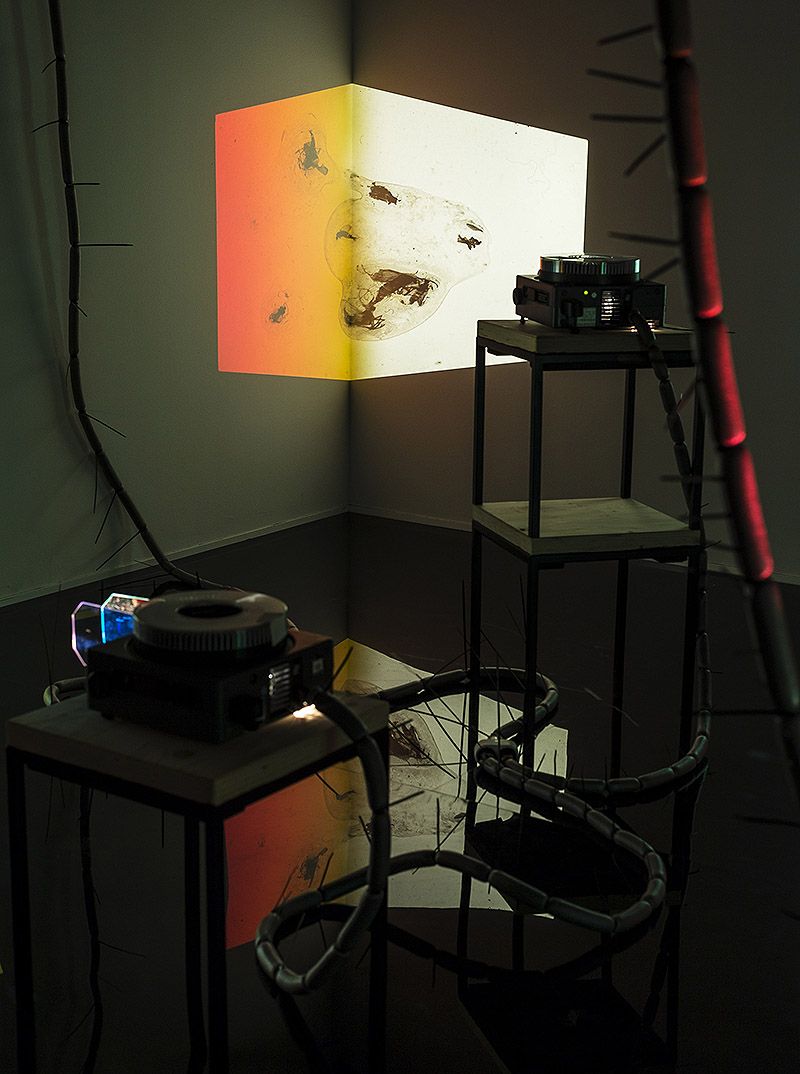
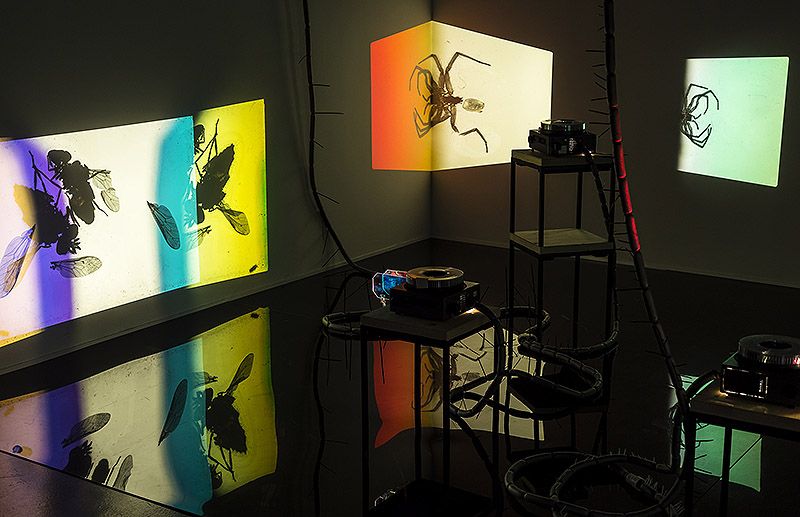
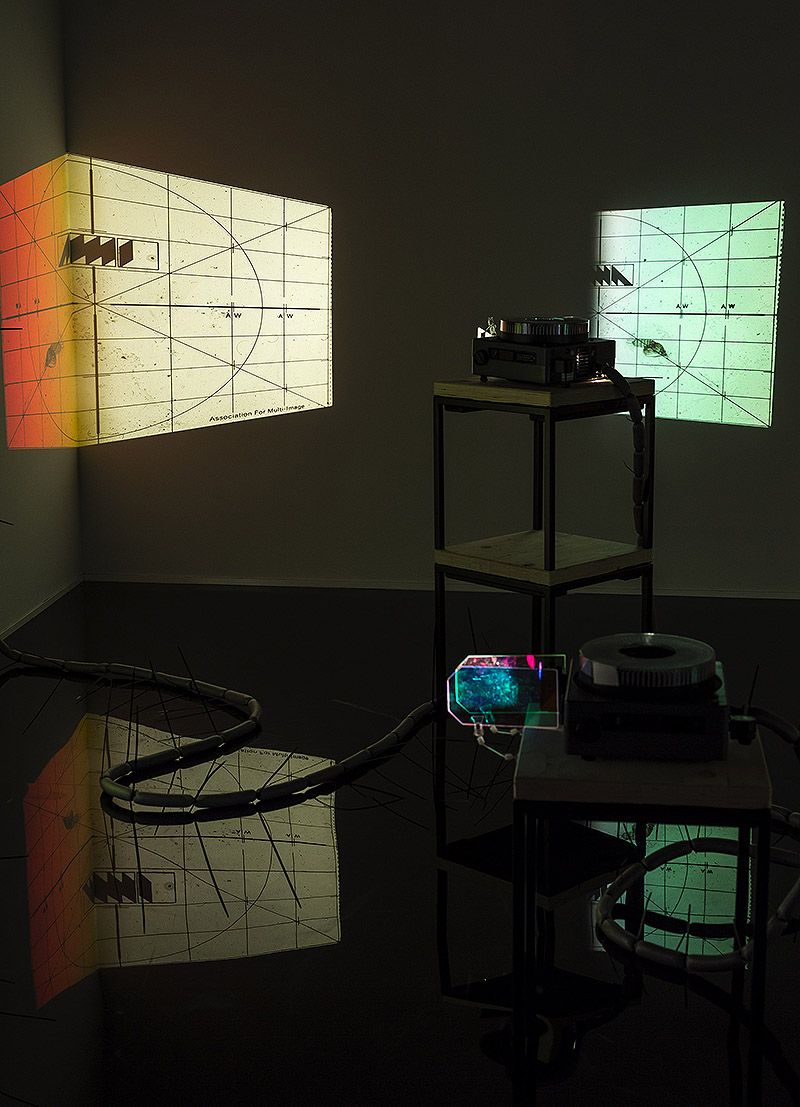
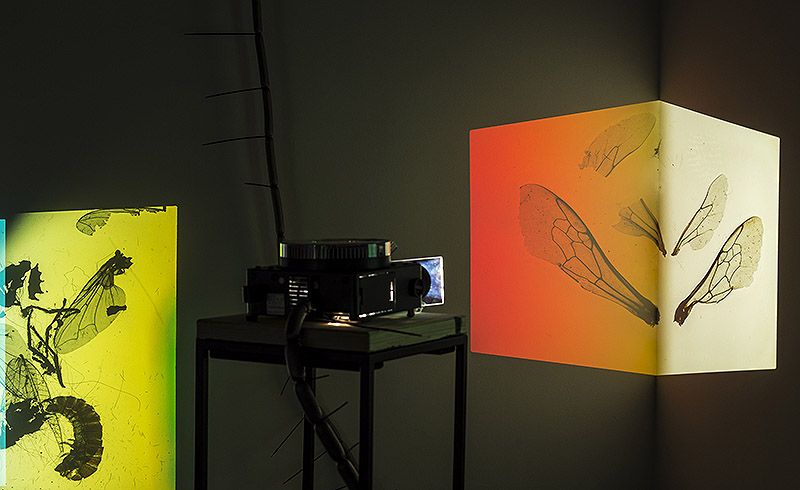
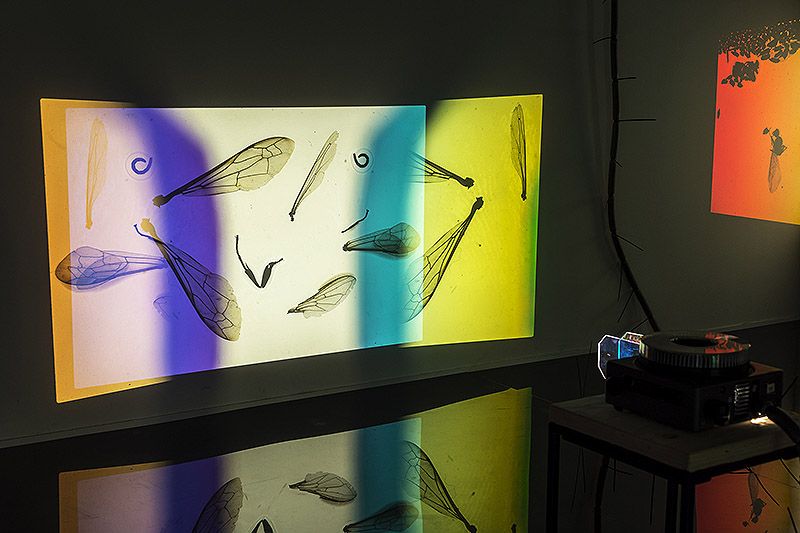
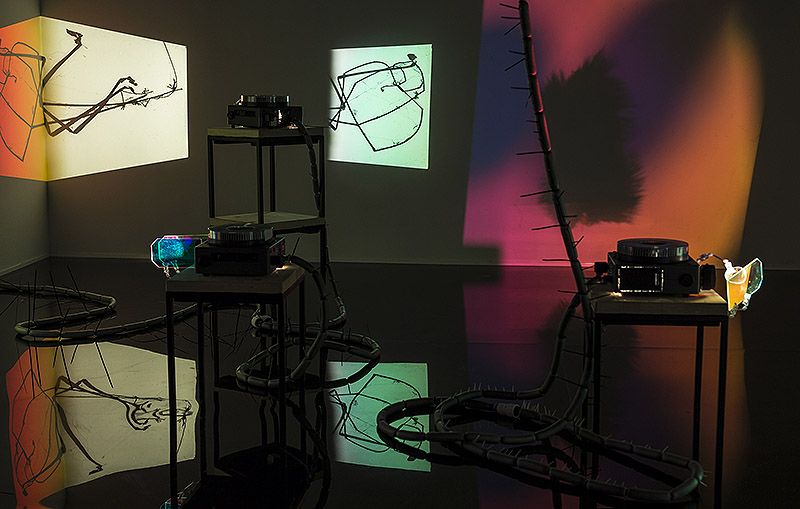
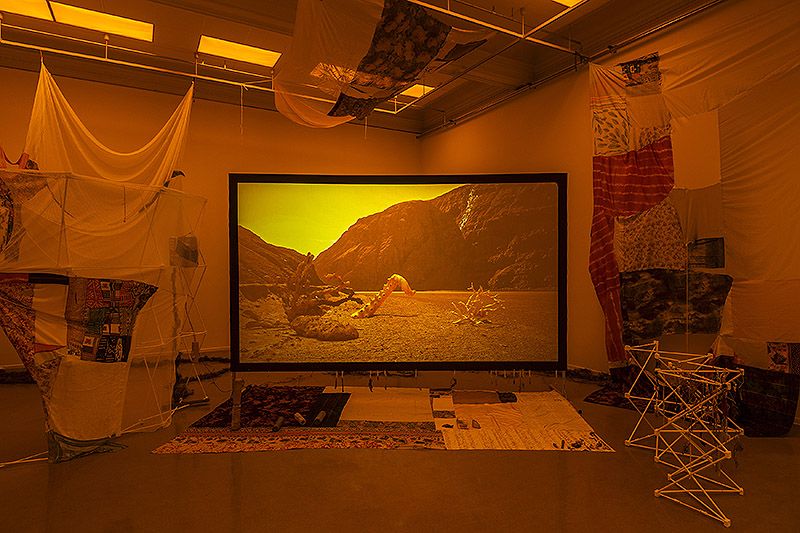
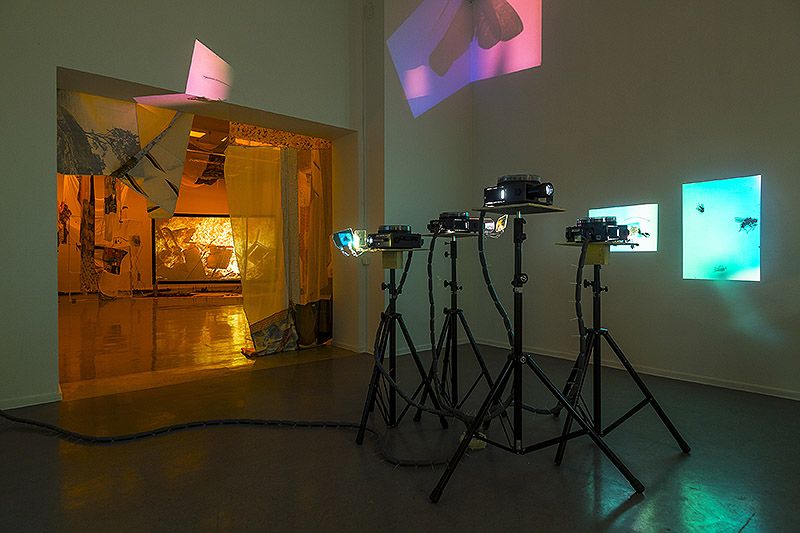
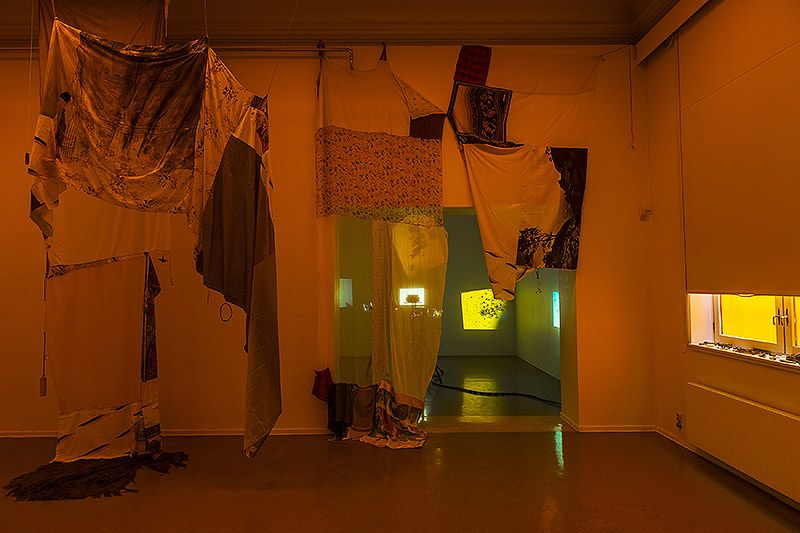
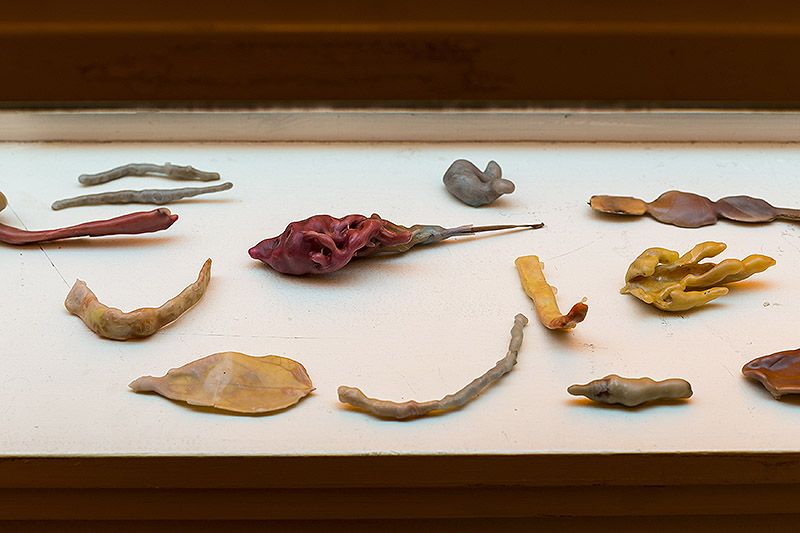
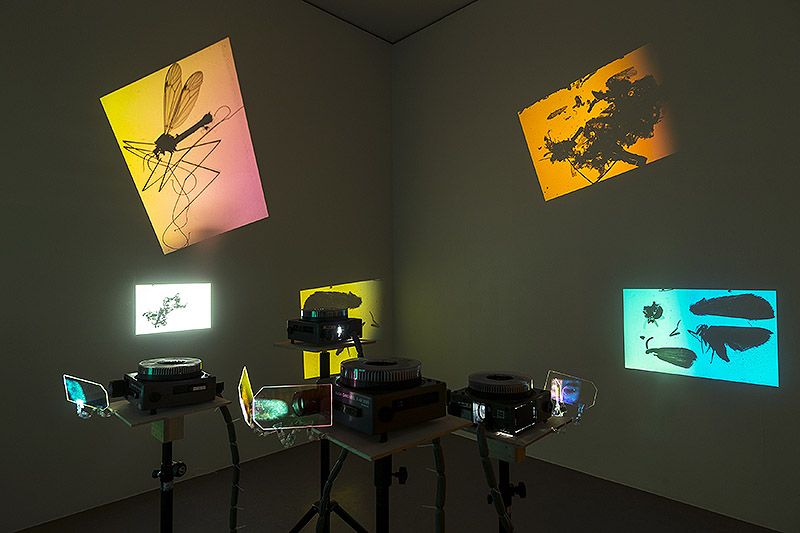
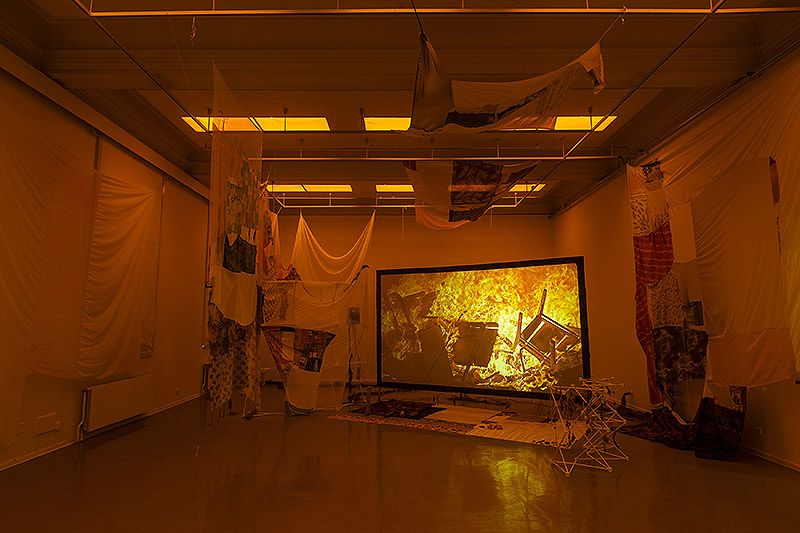
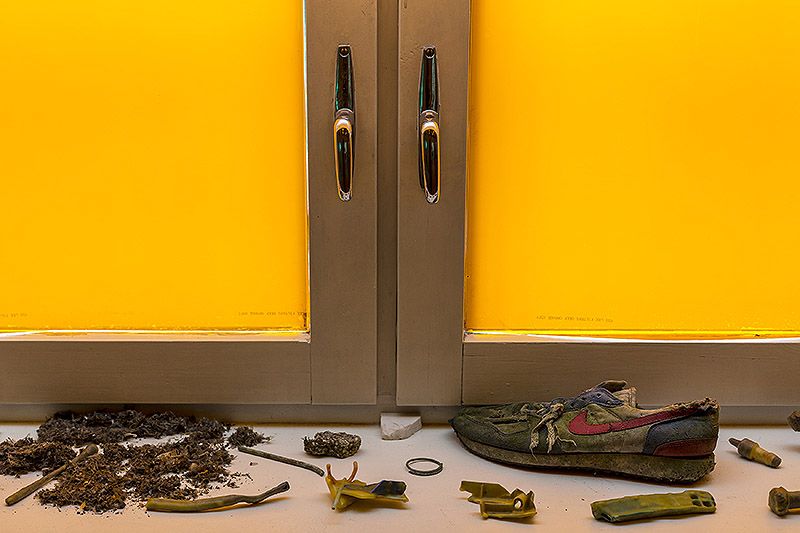
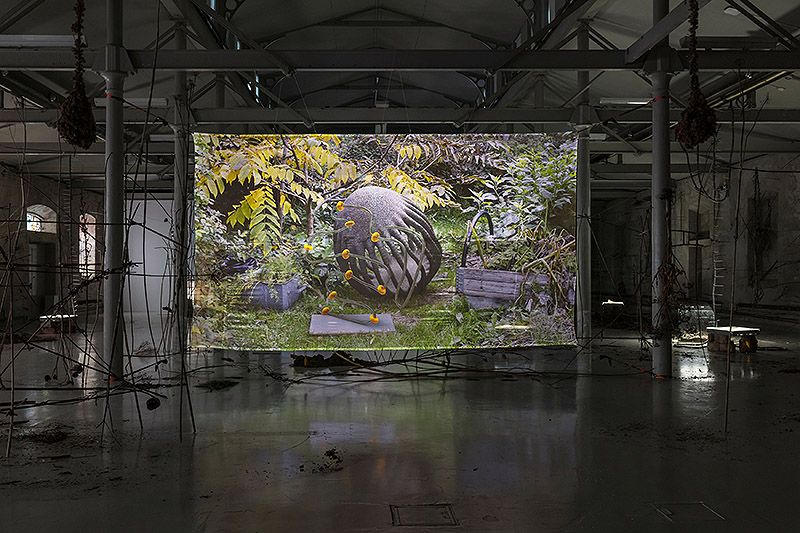
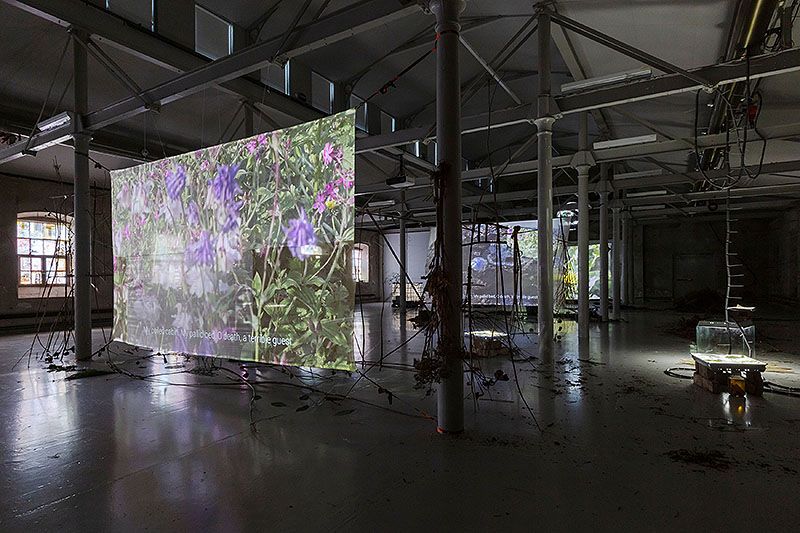
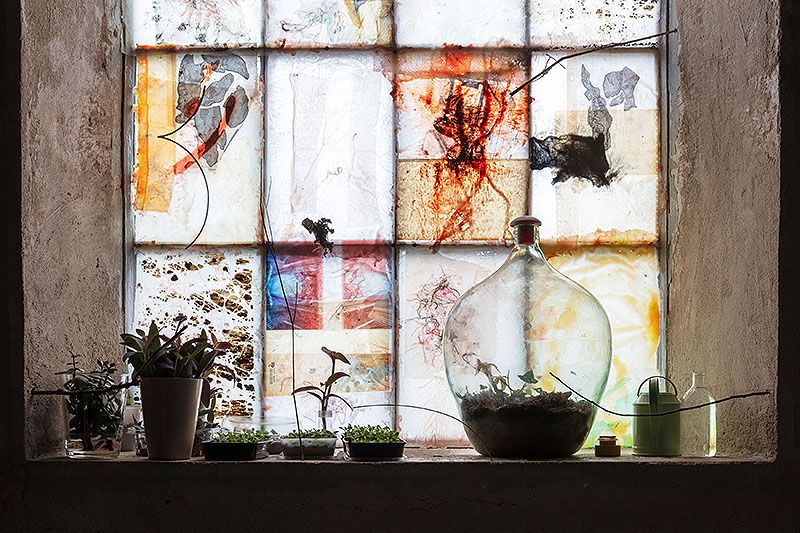
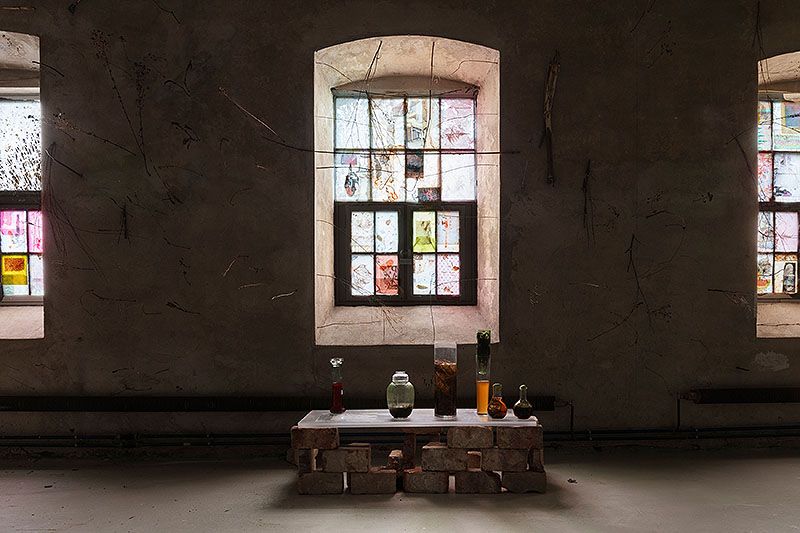

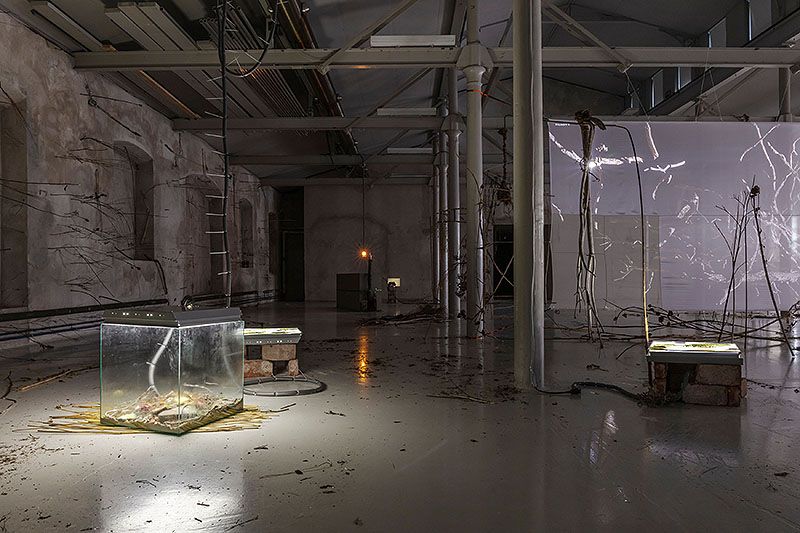
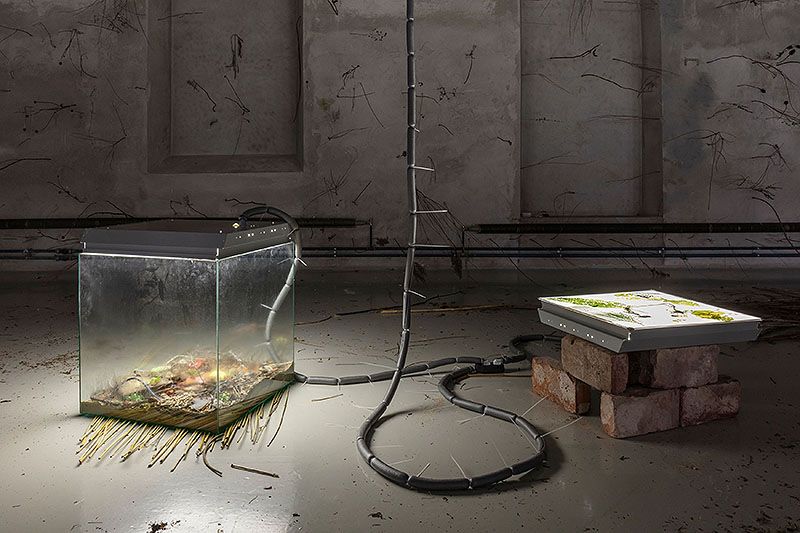
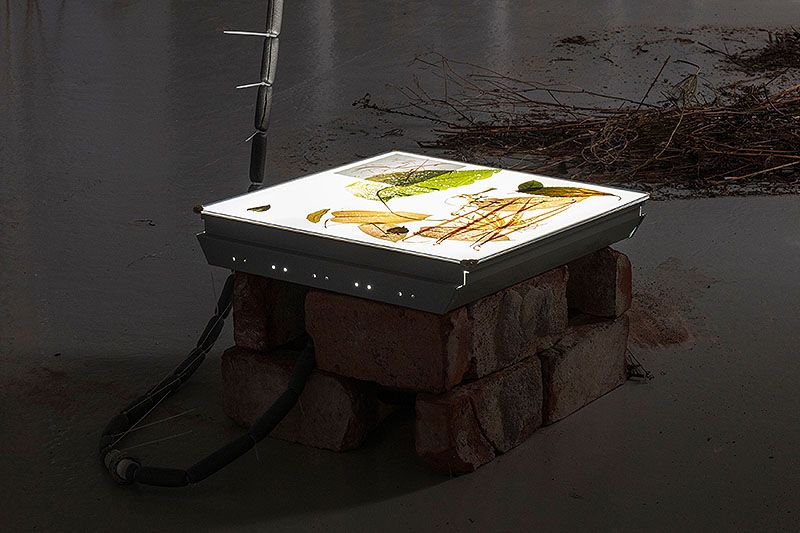
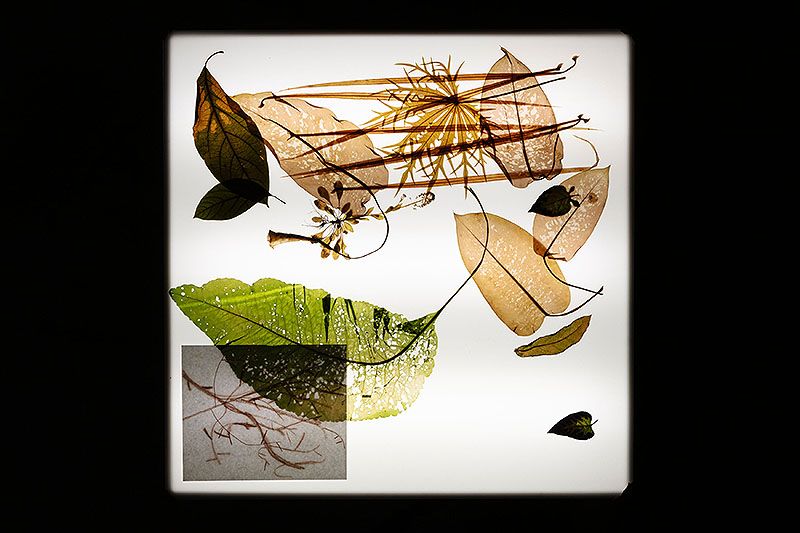
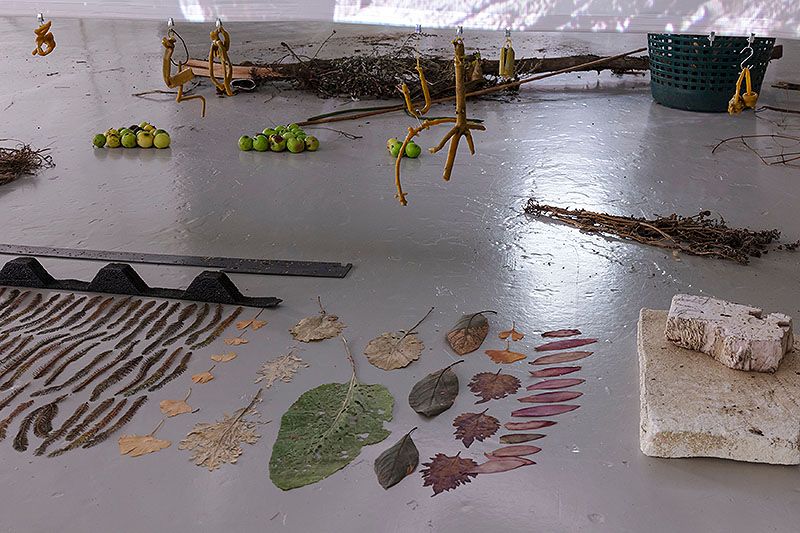
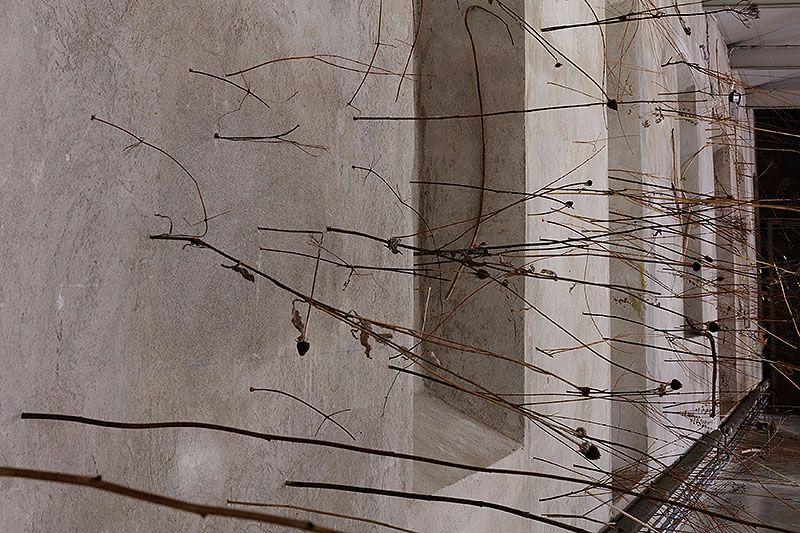
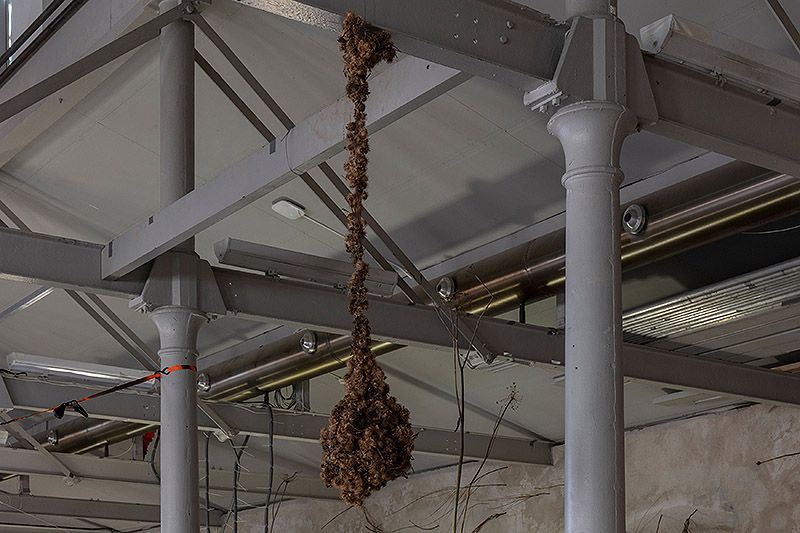
In projects like Ethnographies of a Homespun Spinelessness Cult and Other Neighbourly Relations, presented at the Nordic Pavilion of the Venice Biennale in 2019, you explored the interdependence between humans and other species. What motivated you to focus on this theme, and how do you believe art can influence public perception of biodiversity and the environment?
Your "focal exercises" aim to counteract productivity driven by fossil fuels by promoting practices that require focus and dedication. Could you explain what these exercises entail and how you have implemented them in different artistic residencies?
In your work, you often combine materials found in situ with digital elements, creating a fusion between the tangible and the virtual. What draws you to this convergence, and how do you approach the balance between the material and the digital in your installations?
Your participation in international projects such as Frontiers in Retreat has involved collaborations in various environments. How do these geographic and cultural contexts influence your artistic practice, and how do you adapt your work to each new setting?
You will soon take part in a group exhibition at Radius Center for Contemporary Art and Ecology. What does your work for this exhibition consist of, and how does it fit within the context of the show?
What does participating in the Helsinki Biennial this June mean to you? How does your work dialogue with the environment or the overarching theme of this event?
What inspires you?