Interview with Studio Hors
Published in Luxiders Magazine Print #14
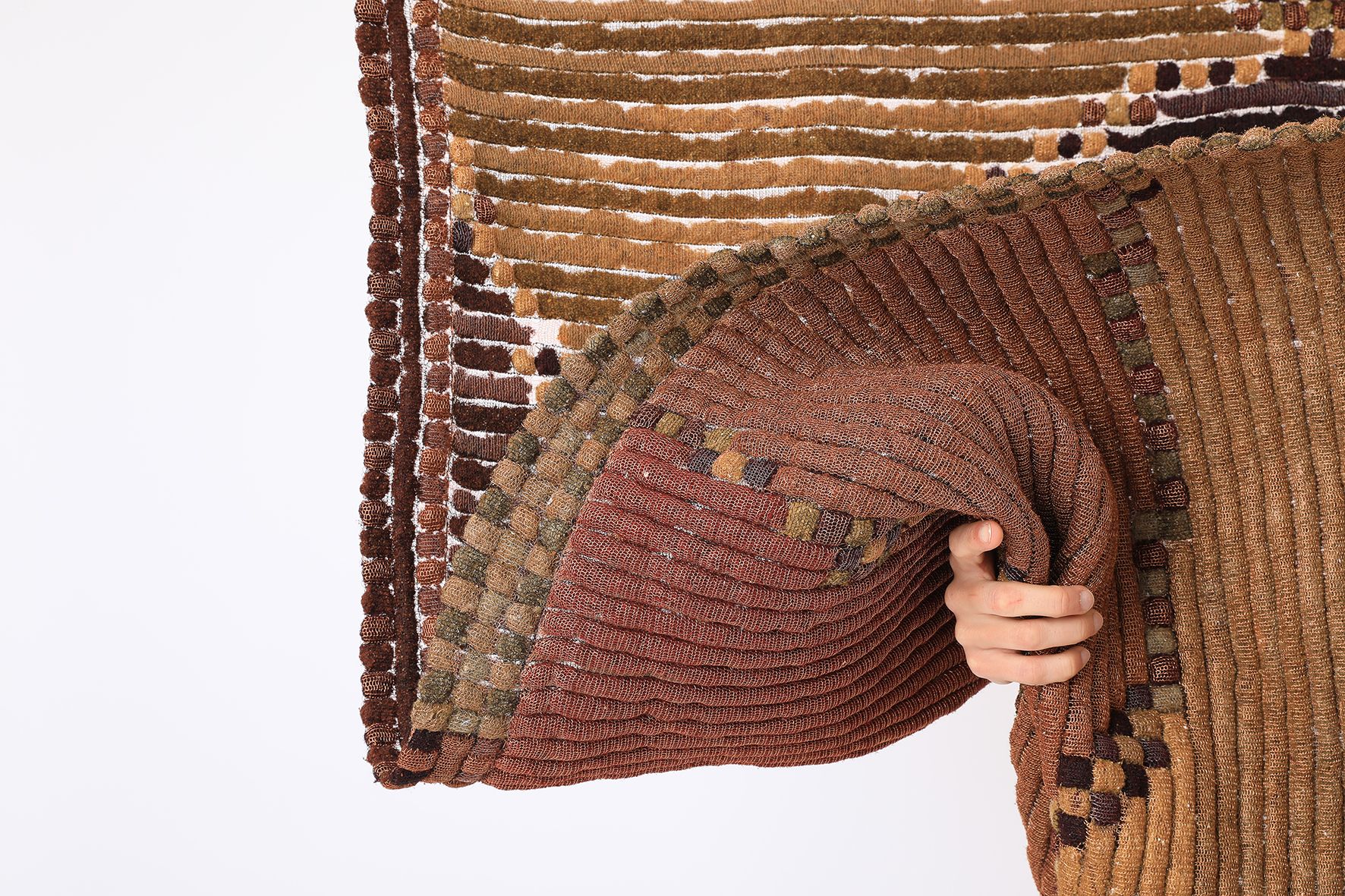
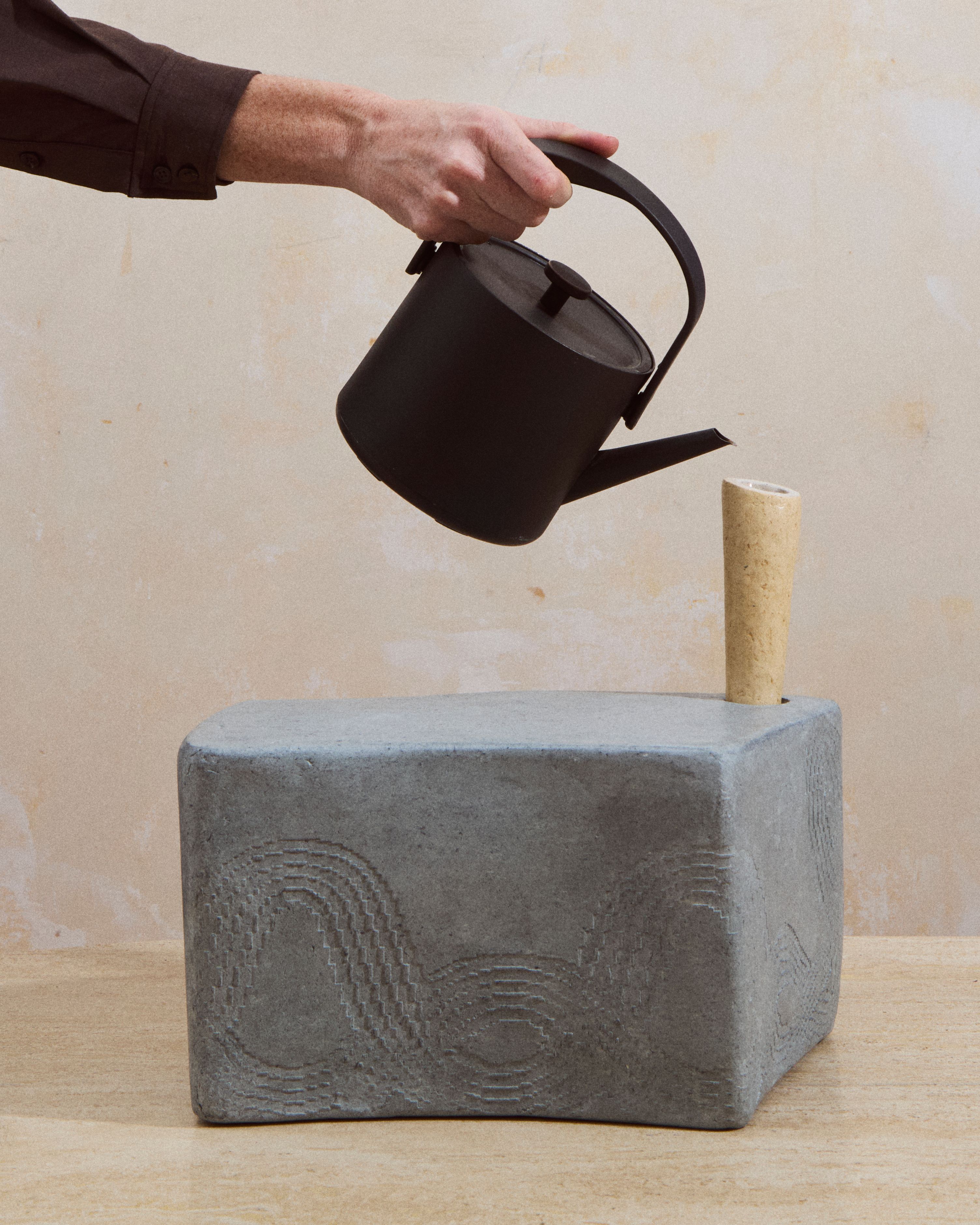
Founded in 2016 by Founded in 2016 by Élodie Michaud and Rebecca Fezard, Studio Hors is a practice working at the intersection of design, craft, and ecological innovation, making waste the starting point of its work. For them, discarded materials are not a problem to be solved but an opportunity to create, leading them to transform and recompose leftovers from industrial and artisanal production into new materials and objects. Their method combines traditional techniques with contemporary tools, and shows that craft and technology can not only coexist but also enhance one another. This approach has led to the creation of materials such as Leatherstone© and Cellulio©, both made without petrochemicals and designed to reduce environmental impact.Élodie Michaud and Rebecca Fezard, Studio Hors is a practice working at the intersection of design, craft, and ecological innovation, making waste the starting point of its work. For them, discarded materials are not a problem to be solved but an opportunity to create, leading them to transform and recompose leftovers from industrial and artisanal production into new materials and objects. Their method combines traditional techniques with contemporary tools, and shows that craft and technology can not only coexist but also enhance one another. This approach has led to the creation of materials such as Leatherstone© and Cellulio©, both made without petrochemicals and designed to reduce environmental impact.
In 2018, they launched Precious Kitchen, an open-source platform that maps and redistributes local resources. It turns waste into a shared asset and invites citizens, businesses, and students to experiment. The project blends education with activism and encourages a new way of thinking about production and consumption.In 2018, they launched Precious Kitchen, an open-source platform that maps and redistributes local resources. It turns waste into a shared asset and invites citizens, businesses, and students to experiment. The project blends education with activism and encourages a new way of thinking about production and consumption. Studio Hors aims to promote a more sustainable approach to production, where processes, materials, and their impact are part of the same reflection. Studio Hors aims to promote a more sustainable approach to production, where processes, materials, and their impact are part of the same reflection.
We spoke with them to learn more about their material research, the challenges of working outside traditional frameworks, and the role that shared knowledge plays in the ecological transition.
How was Studio Hors born, and what motivations led you to place waste materials at the center of your practice?
We met in a fab lab where we were each experimenting with materials enhancement through open and collaborative practices such as biomaterials and CNC machines. We both shared the desire to design surfaces, set design and materials more responsibly, without abandoning our creative practice. The real turning point came during a visit to a recycling center, where we realiWe met in a fab lab where we were each experimenting with materials enhancement through open and collaborative practices such as biomaterials and CNC machines. We both shared the desire to design surfaces, set design and materials more responsibly, without abandoning our creative practice. The real turning point came during a visit to a recycling center, where we realised that huge amounts of perfect usable material were being sent to landfill when they could easily be repurposed. From that moment, we decided to create our own materials from these discards, consciously avoiding petrochemicals, which makes recycling more difficult.sed that huge amounts of perfect usable material were being sent to landfill when they could easily be repurposed. From that moment, we decided to create our own materials from these discards, consciously avoiding petrochemicals, which makes recycling more difficult.
Your research has focused on the development of new materials born from recycling, such as LeatherstoneYour research has focused on the development of new materials born from recycling, such as Leatherstone©, Leatherblock©, Leatherock©, or Cellulio©. What inspired you to embark on this path, and how do these materials expand the creative and conceptual possibilities of your practice?©, Leatherblock©, Leatherock©, or Cellulio©. What inspired you to embark on this path, and how do these materials expand the creative and conceptual possibilities of your practice?
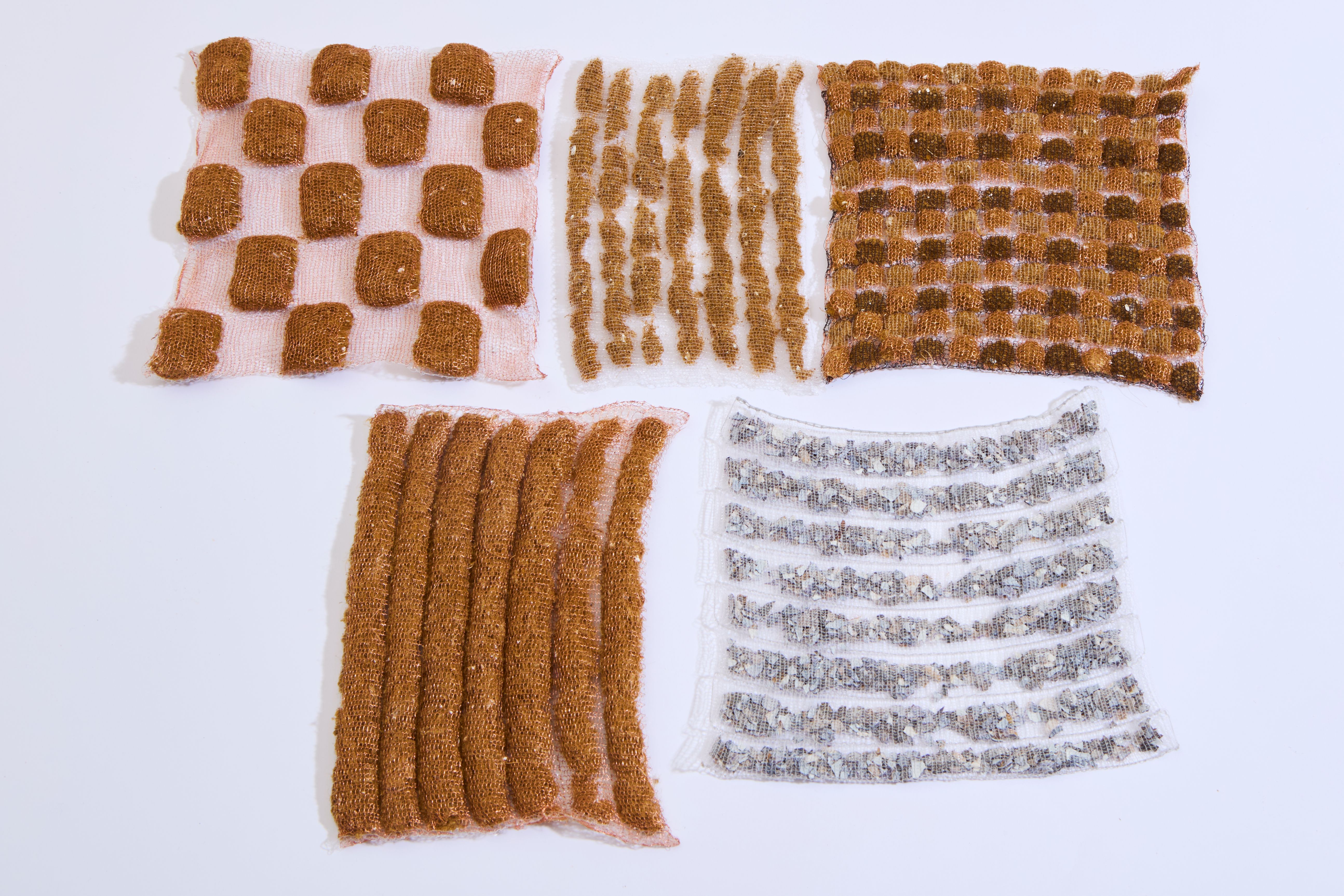
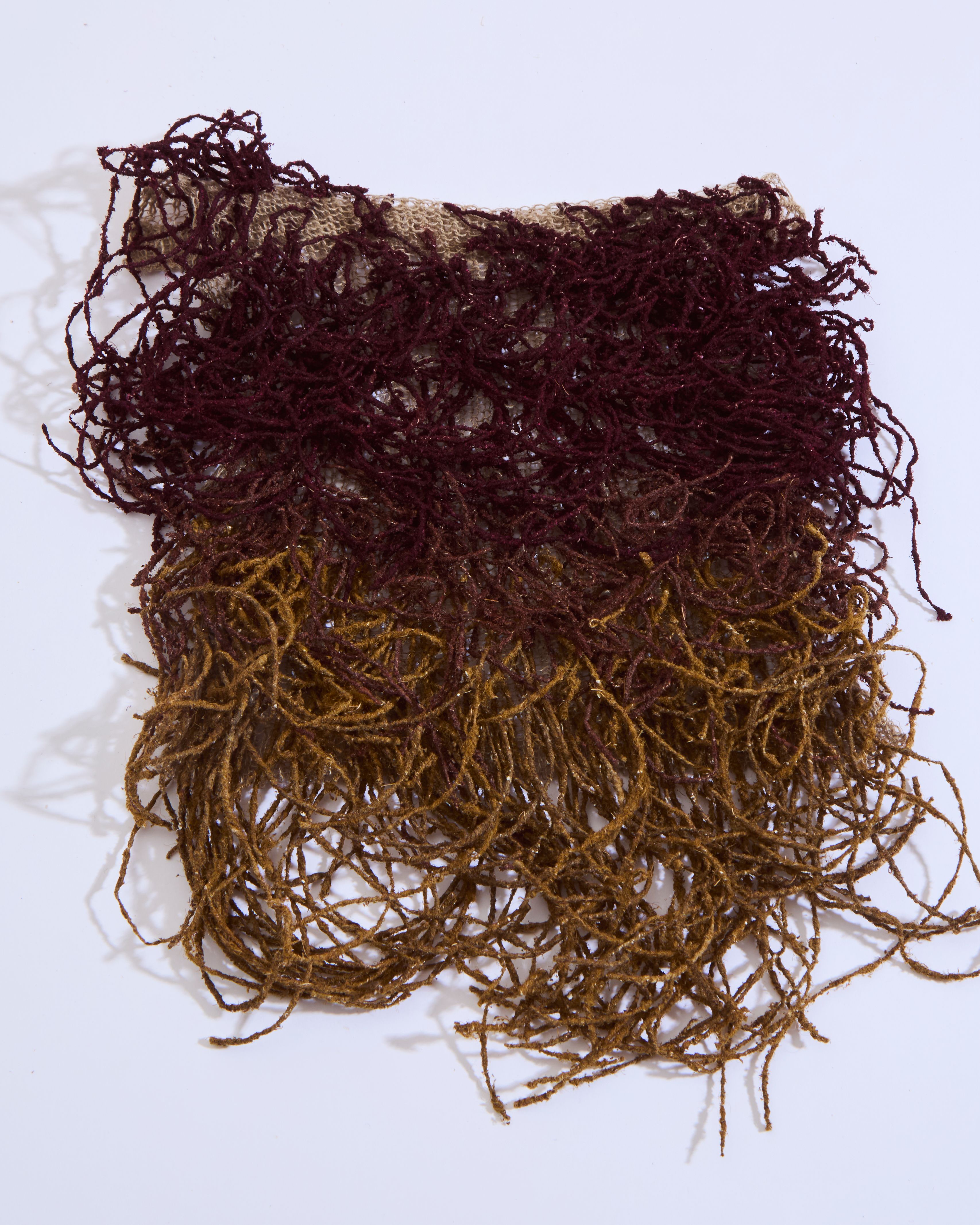
We chose to source locally, working directly with nearby businesses to reclaim their production waste. Each material we develop can be used in unique ways, which broadens the creative possibilities. Every offcut carries its own story and the process of sorting and selection is part of the creative process. With our materials, we can offer tailor-made solutions, adapting textures, coloWe chose to source locally, working directly with nearby businesses to reclaim their production waste. Each material we develop can be used in unique ways, which broadens the creative possibilities. Every offcut carries its own story and the process of sorting and selection is part of the creative process. With our materials, we can offer tailor-made solutions, adapting textures, colours and surface effects to the needs of each project.urs and surface effects to the needs of each project.
What have been the main challenges youWhat have been the main challenges you’ve faced in developing and working with these experimental materials, both on a technical and on a creative level?’ve faced in developing and working with these experimental materials, both on a technical and on a creative level?
At the beginning, everything had to be invented from scratch.At the beginning, everything had to be invented from scratch. Back in 2017, when we started, waste and biomaterials were hardly discussed in design. Explaining and communicating our approach felt almost alien. Today, the challenges remain significant: establishing supply chains, understanding different waste streams and of course adapting them for studio use. Because we chose to avoid petrochemicals entirely and only work with natural binders, our process requires longer production times and must respond to hygrometric and climatic conditions in the workshop. Back in 2017, when we started, waste and biomaterials were hardly discussed in design. Explaining and communicating our approach felt almost alien. Today, the challenges remain significant: establishing supply chains, understanding different waste streams and of course adapting them for studio use. Because we chose to avoid petrochemicals entirely and only work with natural binders, our process requires longer production times and must respond to hygrometric and climatic conditions in the workshop.
WeWe’re fortunate that specifiers now trust us, although they still need reassurance about using new materials, especially regarding durability and resistance. That’s why we collaborate with laboratories to certify and characterise our materials. We see ourselves as designers, researchers, artisans and artists all at once, yet breaking down those boundaries remains a challenge. That’s precisely why we chose “hors” (outside) in the name hors-studio, to signal our refusal to fit neatly into one box. We are not mass producers of square-meter materials, nor do we want to be, instead we create custom pieces using the biomaterials we invent from waste.’re fortunate that specifiers now trust us, although they still need reassurance about using new materials, especially regarding durability and resistance. That’s why we collaborate with laboratories to certify and characterise our materials. We see ourselves as designers, researchers, artisans and artists all at once, yet breaking down those boundaries remains a challenge. That’s precisely why we chose “hors” (outside) in the name hors-studio, to signal our refusal to fit neatly into one box. We are not mass producers of square-meter materials, nor do we want to be, instead we create custom pieces using the biomaterials we invent from waste.
How does traditional craftsmanship interact with technological innovation in your work?
For us, itFor us, it’s a genuine dialogue. Craft techniques are central to our process. Our material formulations draw inspiration from open-source biomaterials platforms like materiom.org, but also from traditional artisan recipe books. Throughout our studies, we experimented widely in workshops, mixing inherited techniques with contemporary tools. We enjoy making these two words converse. A 3D printer, for example, is simply another tool, one we like to hack with our own materials. Each piece technically combines ancestral gestures with modern technologies.’s a genuine dialogue. Craft techniques are central to our process. Our material formulations draw inspiration from open-source biomaterials platforms like materiom.org, but also from traditional artisan recipe books. Throughout our studies, we experimented widely in workshops, mixing inherited techniques with contemporary tools. We enjoy making these two words converse. A 3D printer, for example, is simply another tool, one we like to hack with our own materials. Each piece technically combines ancestral gestures with modern technologies.
YouYou’ve spoken of the “responsibility of adding objects to the world”, as you mentioned. How do you decide which projects are worth materialising?’ve spoken of the “responsibility of adding objects to the world”, as you mentioned. How do you decide which projects are worth materialising?
We study each project carefully in relation to its intended use. By excluding petrochemicals, we ensure the object wonWe study each project carefully in relation to its intended use. By excluding petrochemicals, we ensure the object won’t end up as a landfill in the future. We want to create long-lasting objects, anchored in both their material and their aesthetic. Every project involves a pedagogical exchange with our client, co-construction is the best way to align material and use. After all, you can’t separate materials from their application.’t end up as a landfill in the future. We want to create long-lasting objects, anchored in both their material and their aesthetic. Every project involves a pedagogical exchange with our client, co-construction is the best way to align material and use. After all, you can’t separate materials from their application.
Which artists, designers, or cultural movements have most influenced your way of understanding creation?
We are fascinated and greatly inspired by the tools of craftsmanship: a plaster mold, a jacquard sketch, a printing plateWe are fascinated and greatly inspired by the tools of craftsmanship: a plaster mold, a jacquard sketch, a printing plate… Ornament, in our view, is meaningful, and we are strongly attached to it. Our influences are multiple and diverse. We could mention Neri Oxman for her exploration of technology and the living world, Studio 5.5 for their reuse-driven practice and the Arte Povera and Cradle to Cradle movements. More recently, we’ve discovered the work of architect Philippe Rahm on bioclimatic design. His essay … Ornament, in our view, is meaningful, and we are strongly attached to it. Our influences are multiple and diverse. We could mention Neri Oxman for her exploration of technology and the living world, Studio 5.5 for their reuse-driven practice and the Arte Povera and Cradle to Cradle movements. More recently, we’ve discovered the work of architect Philippe Rahm on bioclimatic design. His essay The Anthropocene Style was a key reference during our Agora du Design research grant. Reading his book helped us push further our search for meaning, utility and balance. Out of that exploration came bioclimatic pieces that not only provide thermal comfort but also retain a decorative quality.
What do you think studios like yours can contribute to the transition toward a more circular and conscious economy?
There are many of us working on these issues today, and our role as designer-researchers allows us to help open the way, which is a positive sign. We see ourselves as having a pedagogical role, encouraging the fields of design and architecture to move toward more sustainable practices. At a time of multiple crises, design is a leveThere are many of us working on these issues today, and our role as designer-researchers allows us to help open the way, which is a positive sign. We see ourselves as having a pedagogical role, encouraging the fields of design and architecture to move toward more sustainable practices. At a time of multiple crises, design is a level for imagining the solutions of today and tomorrow.l for imagining the solutions of today and tomorrow.
Precious Kitchen is an open-source platform that maps and redistributes local resources, creating connections between industries, artisans, and citizens. How did this idea first emerge, and what is the essence of the project?
We founded Precious Kitchen two years after creating the studio. At the time, we were both teaching, and very few courses in art schools addressed these issues. Precious Kitchen was born from a pedagogical impulse: to share the practice of reuse through material design with the widest possible audience. For us, it was crucial to make this process open-source, so that anyone could be trained or initiated, because time is pressing. Once we became aware of how much material is thrown away, we felt compelled to redistribute these rare resourcesWe founded Precious Kitchen two years after creating the studio. At the time, we were both teaching, and very few courses in art schools addressed these issues. Precious Kitchen was born from a pedagogical impulse: to share the practice of reuse through material design with the widest possible audience. For us, it was crucial to make this process open-source, so that anyone could be trained or initiated, because time is pressing. Once we became aware of how much material is thrown away, we felt compelled to redistribute these rare resources—often inaccessible to citizens—freely to different audiences. For us, the transition must be collective.——often inaccessible to citizens—freely to different audiences. For us, the transition must be collective.
You have worked alongside artisans, laboratories, and specialists. What value do you find in these interdisciplinary collaborations?
Collaborating with researchers, scientists and artisans is a source of immense inspiration. The confrontation of our different methods of thinking and working drives us to explore new territories and step out of our comfort zone. These exchanges are precious as they allow us to evolve, progress together and sharpen our expertise.
What projects are you currently working on, and what challenges would you like to address in the near future?
Right now, we are developing new design pieces that we will present at RDV de la MatiRight now, we are developing new design pieces that we will present at RDV de la Matière in Paris this October. We have also been exploring new creative possibilities with Leatherstone© which we look forward to unveiling. At the same time, we’ve been carrying out three years of fundamental research on extracting a natural glue from waste. This is one of our most ambitious long-term projects, conducted in collaboration with researchers. We hope to test this promising new adhesive soon, which could open the door to new materials and new pieces.ère in Paris this October. We have also been exploring new creative possibilities with Leatherstone© which we look forward to unveiling. At the same time, we’ve been carrying out three years of fundamental research on extracting a natural glue from waste. This is one of our most ambitious long-term projects, conducted in collaboration with researchers. We hope to test this promising new adhesive soon, which could open the door to new materials and new pieces.