Belén Vera
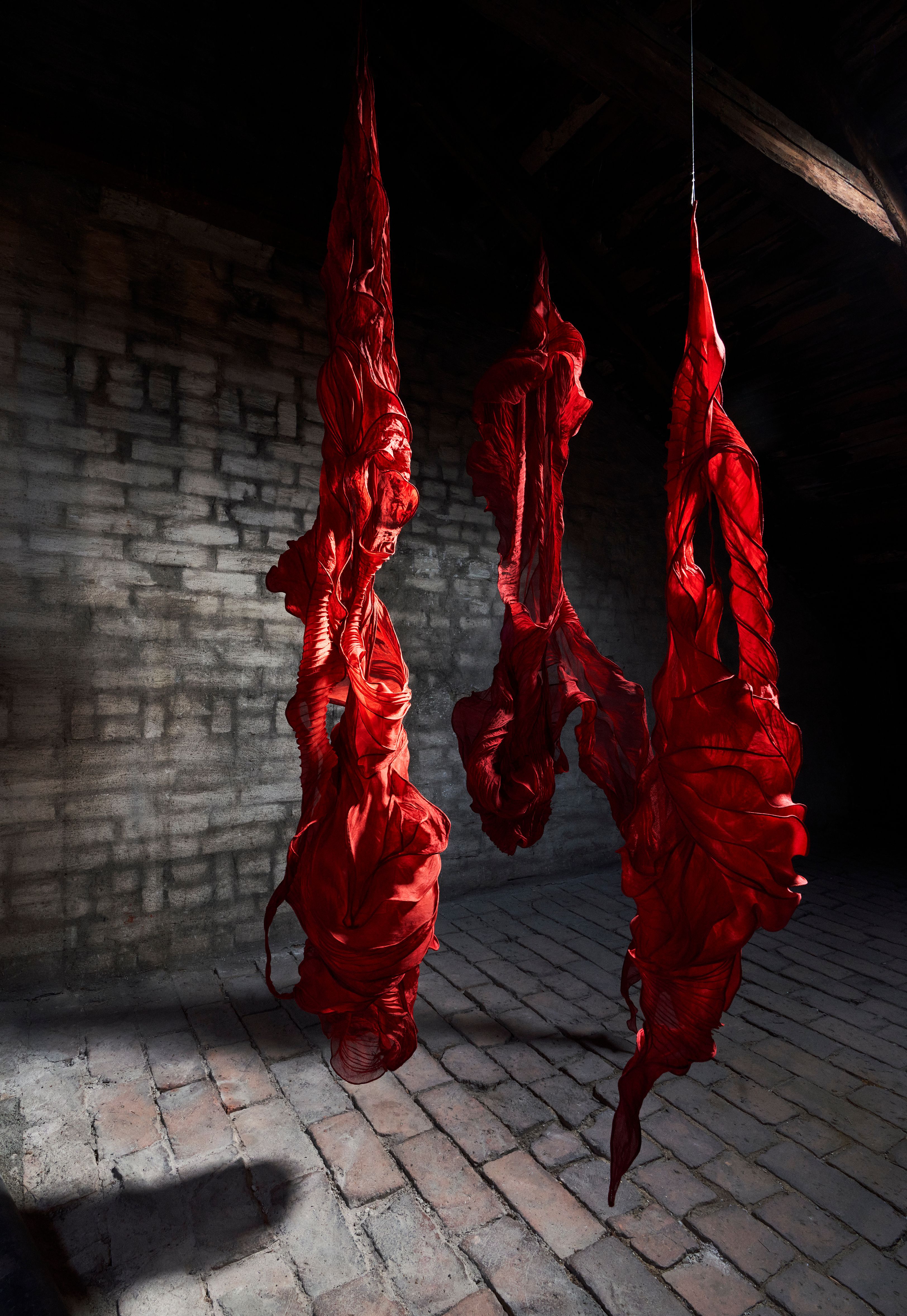
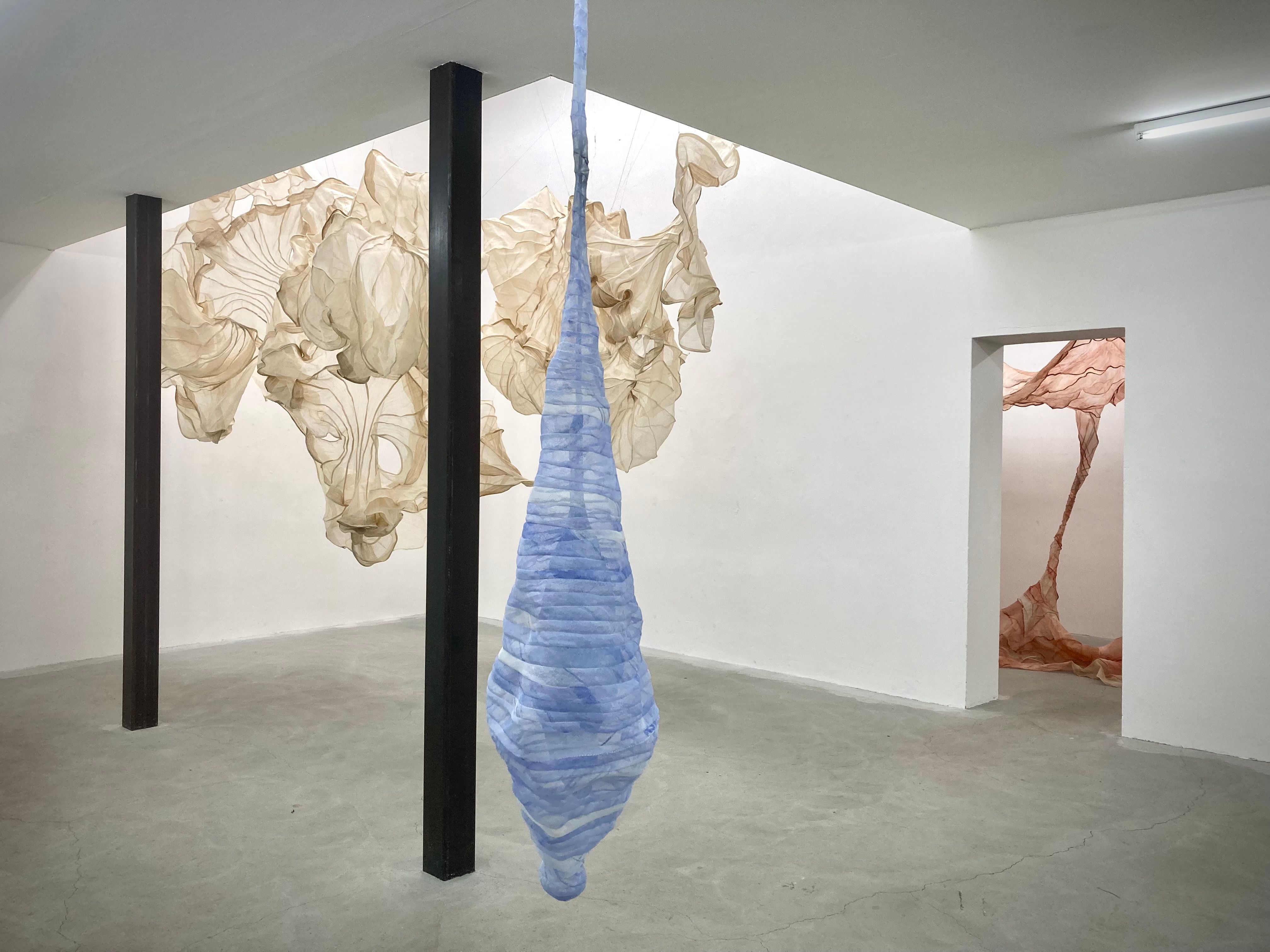
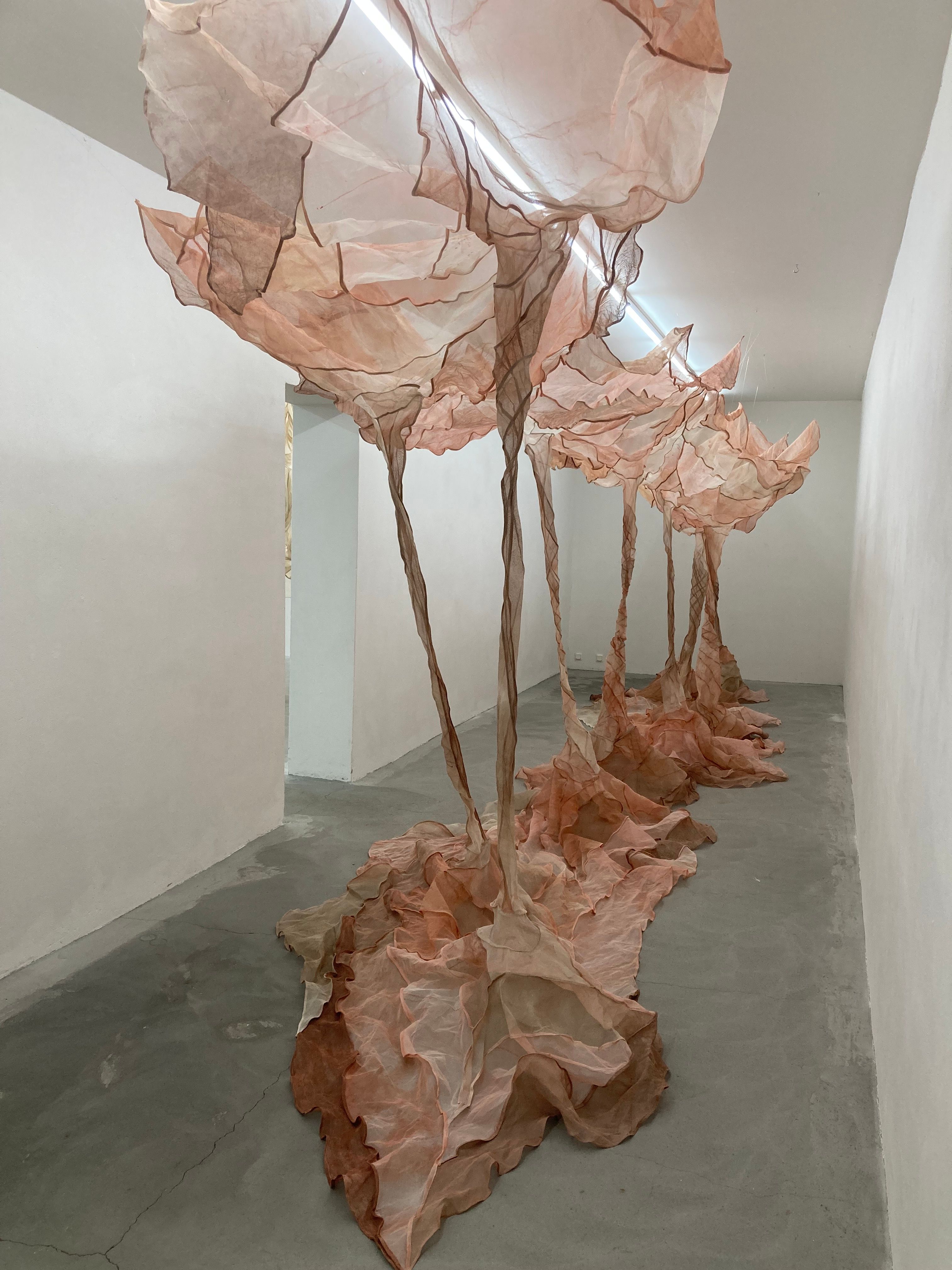
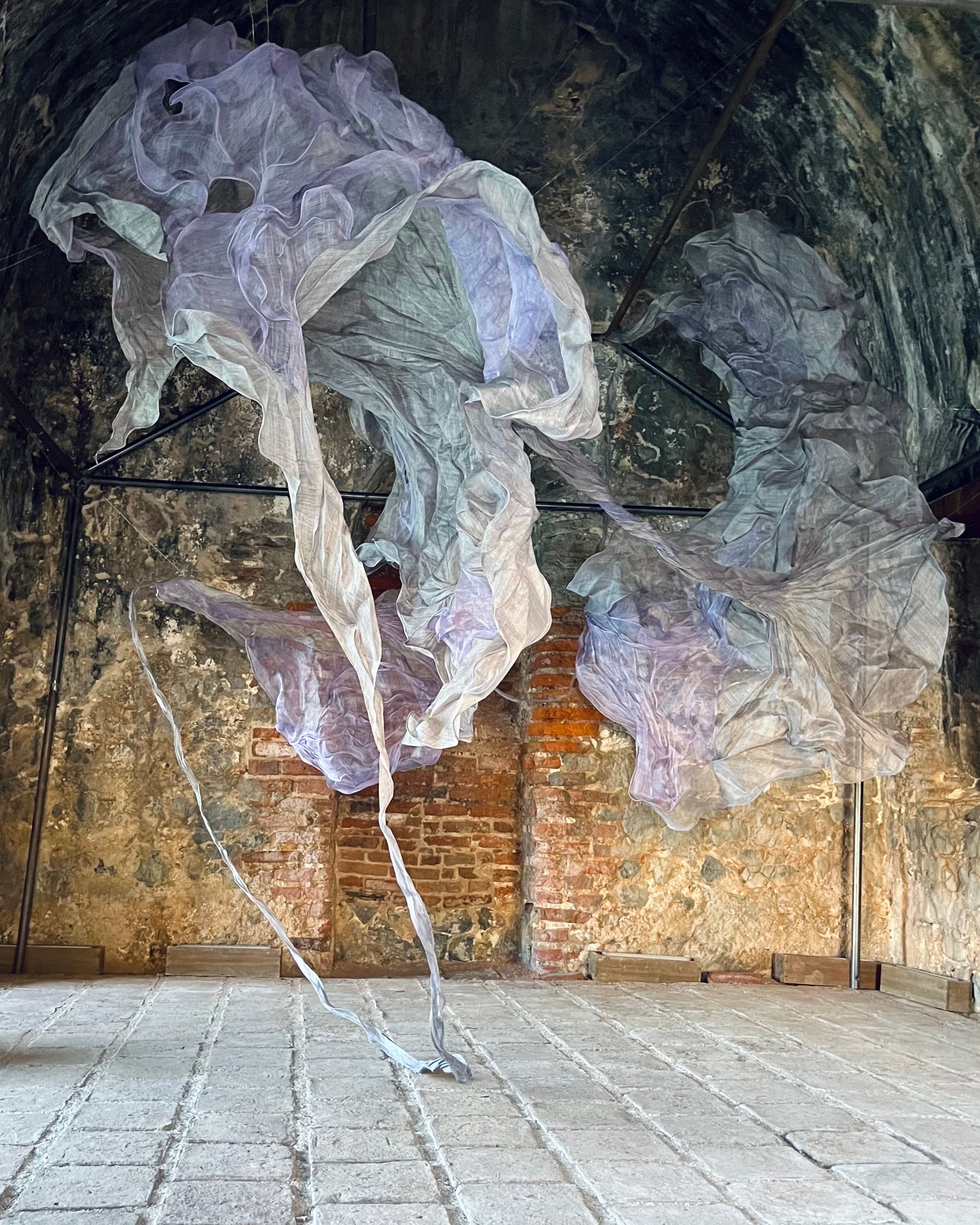
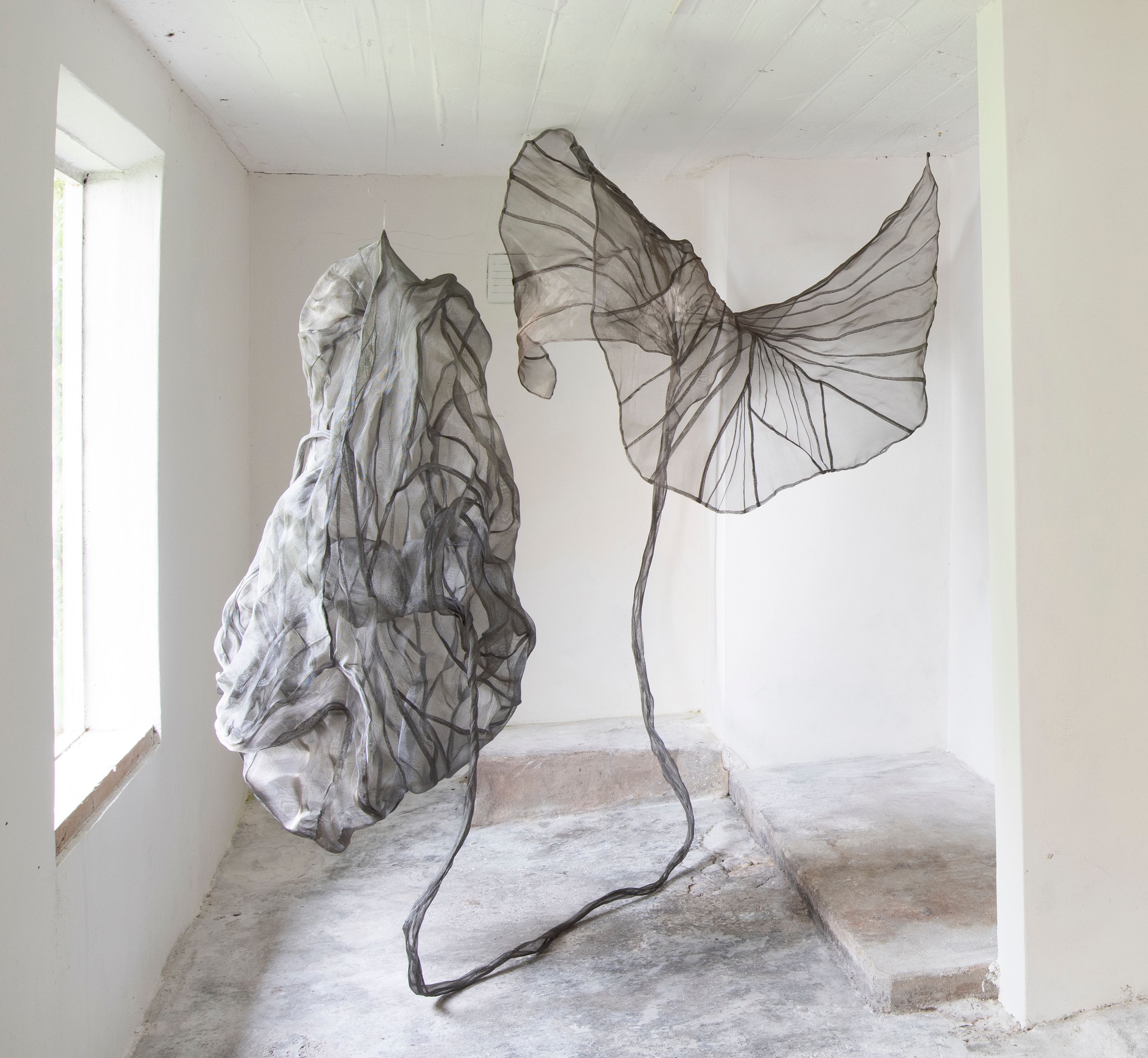
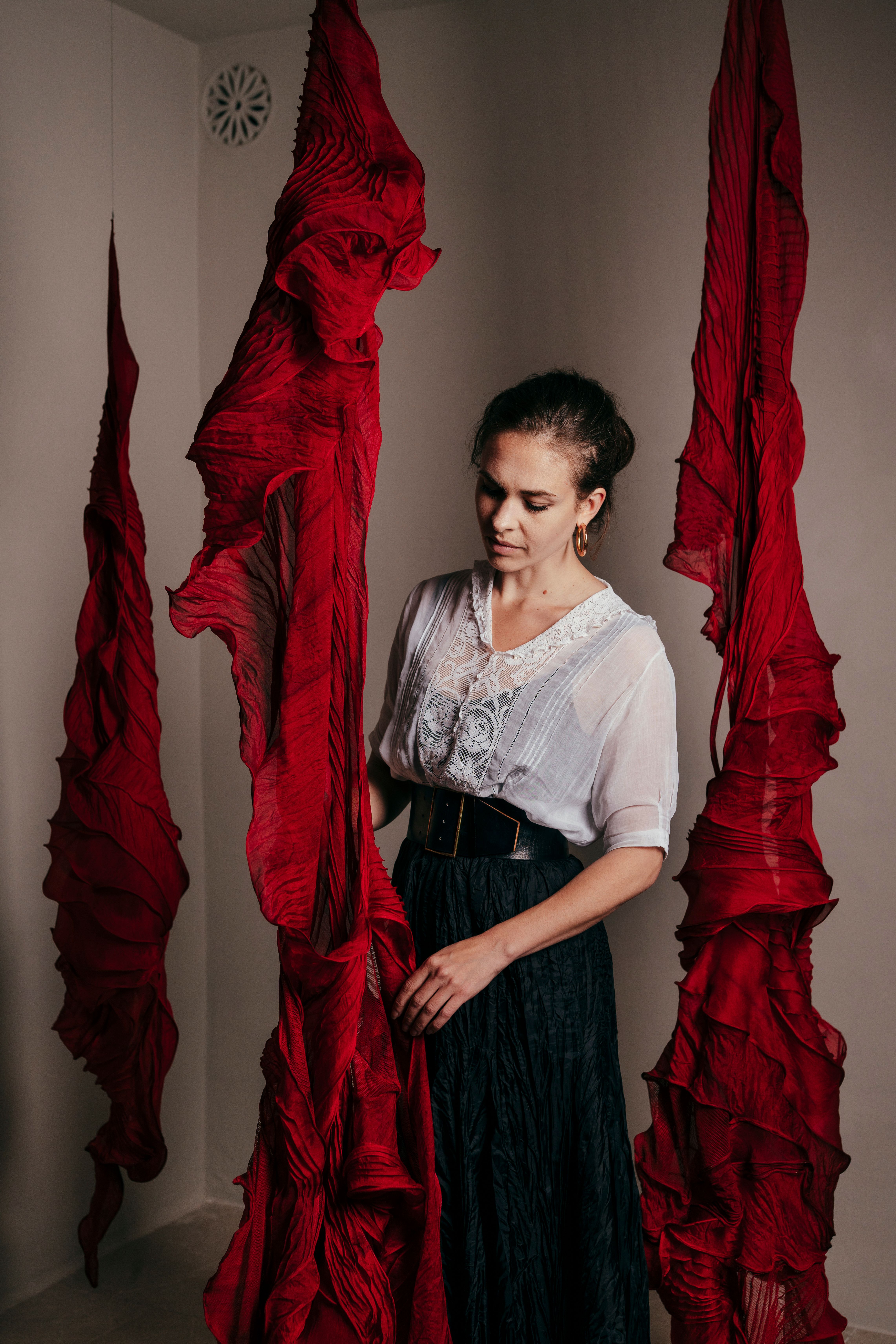
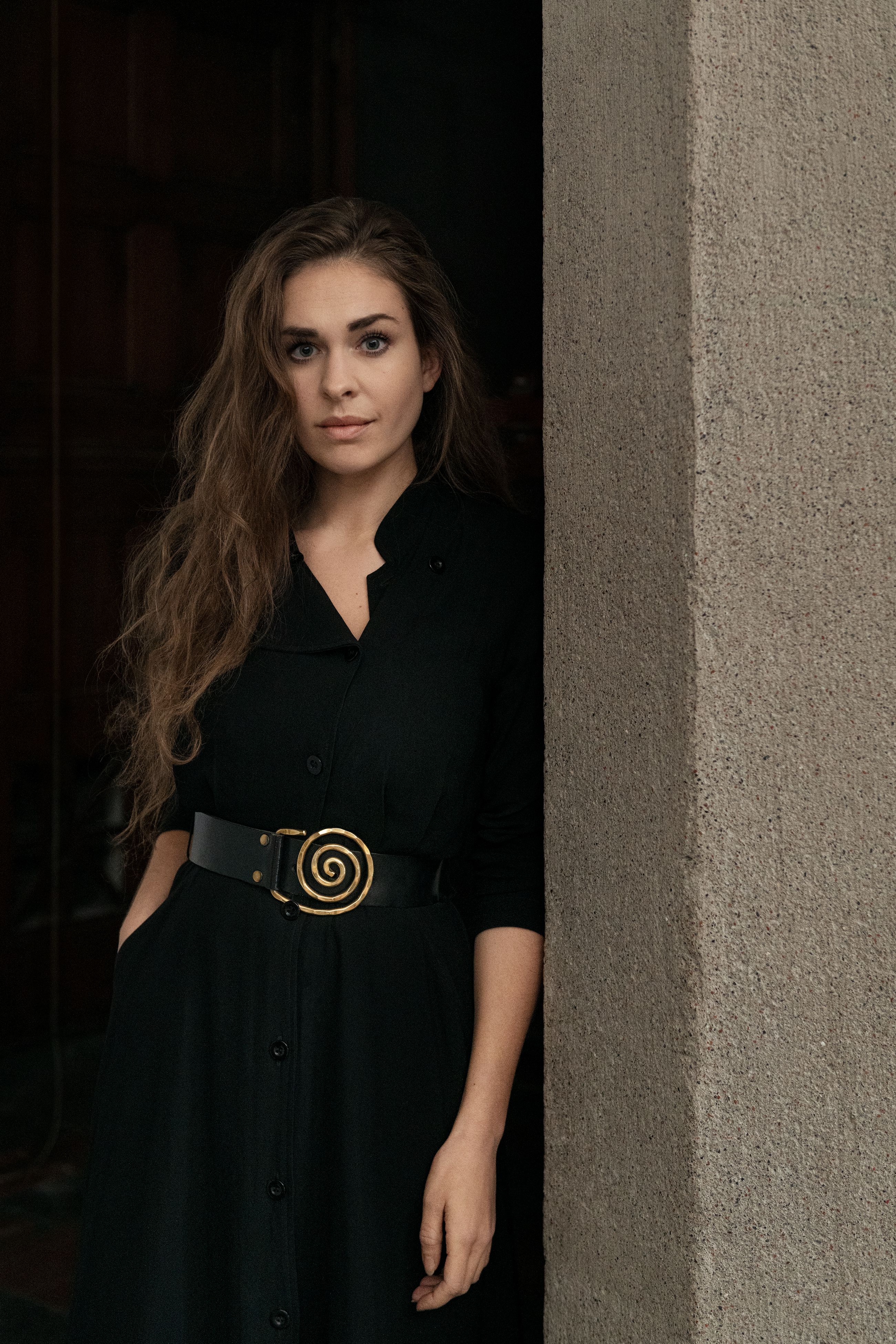
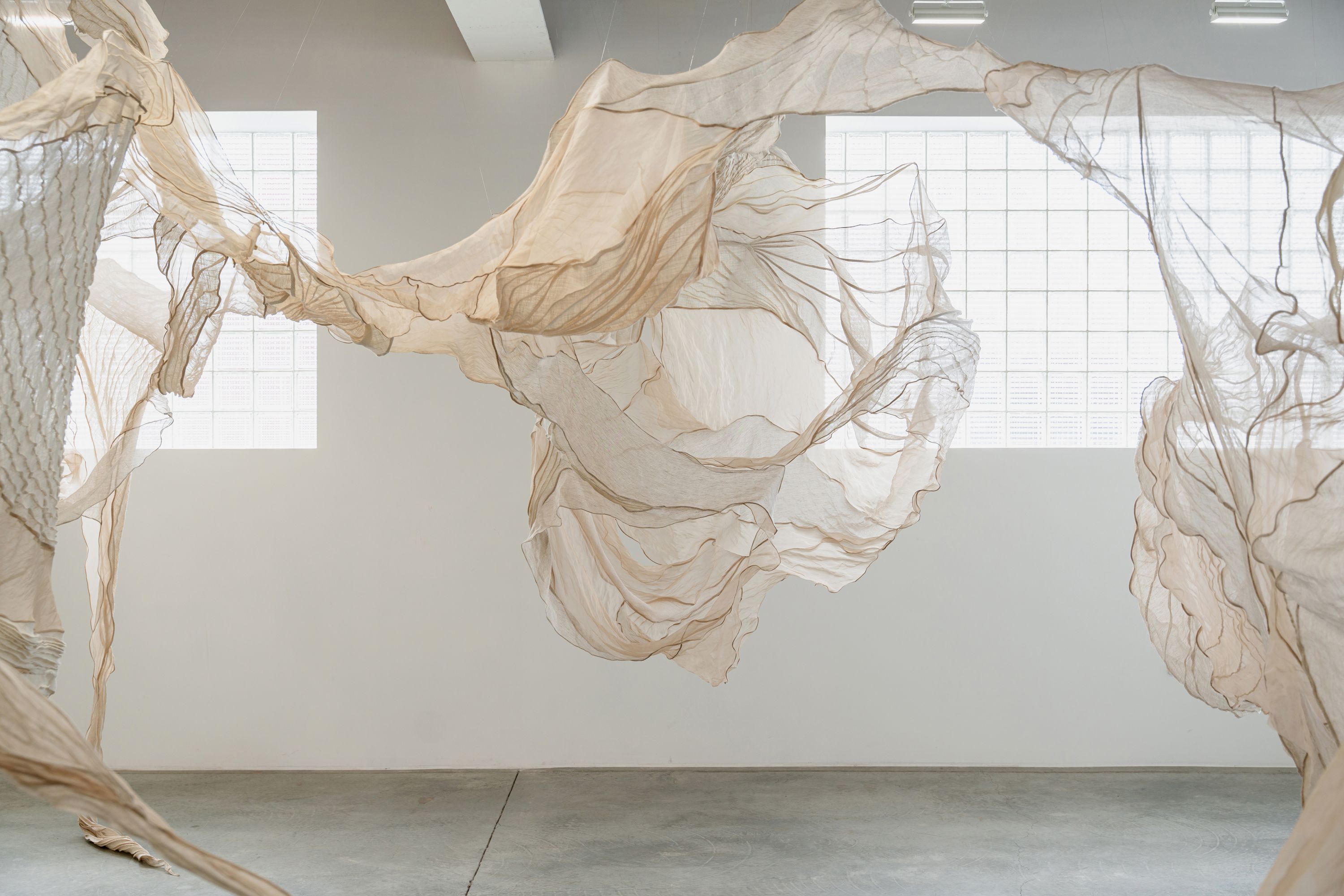
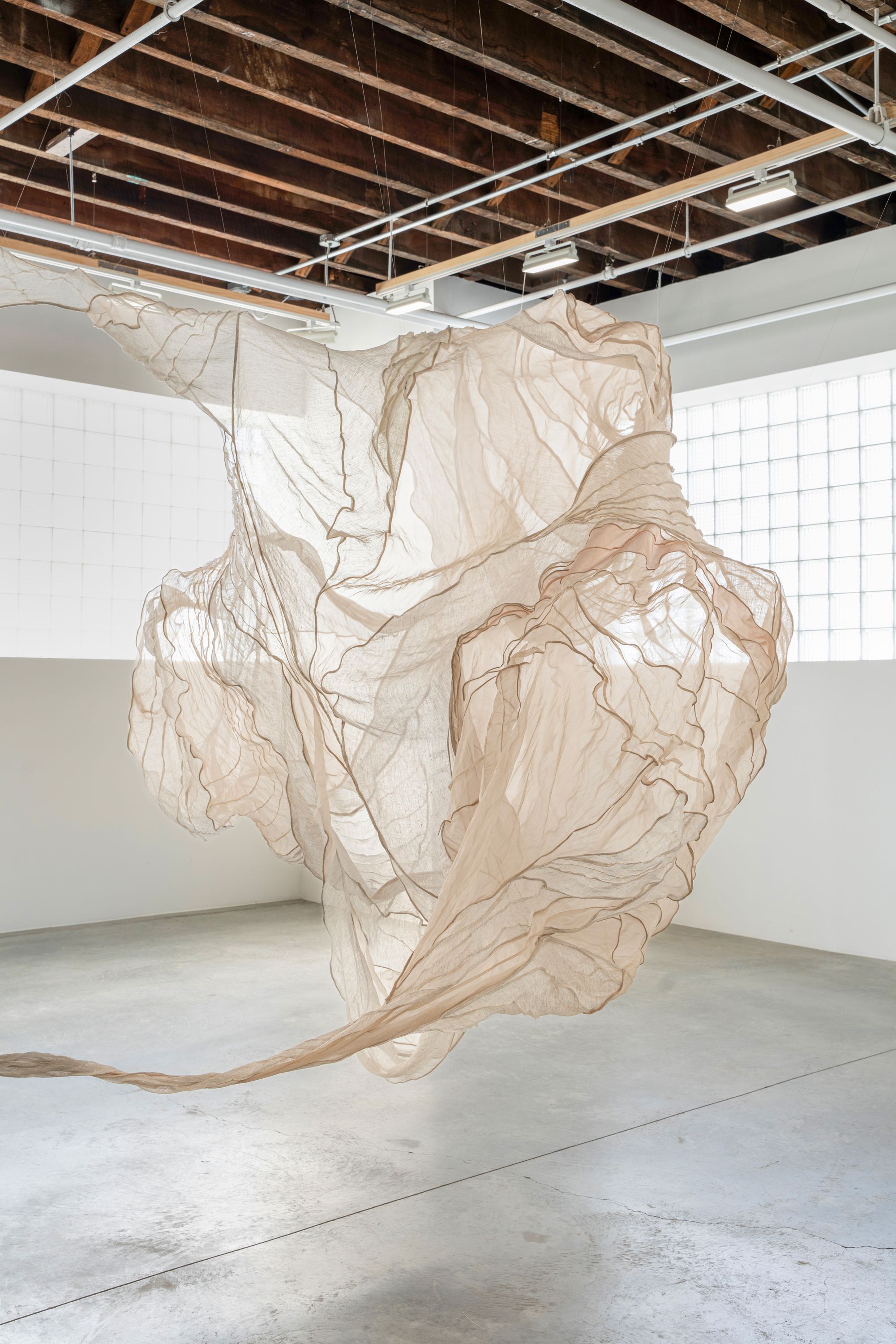
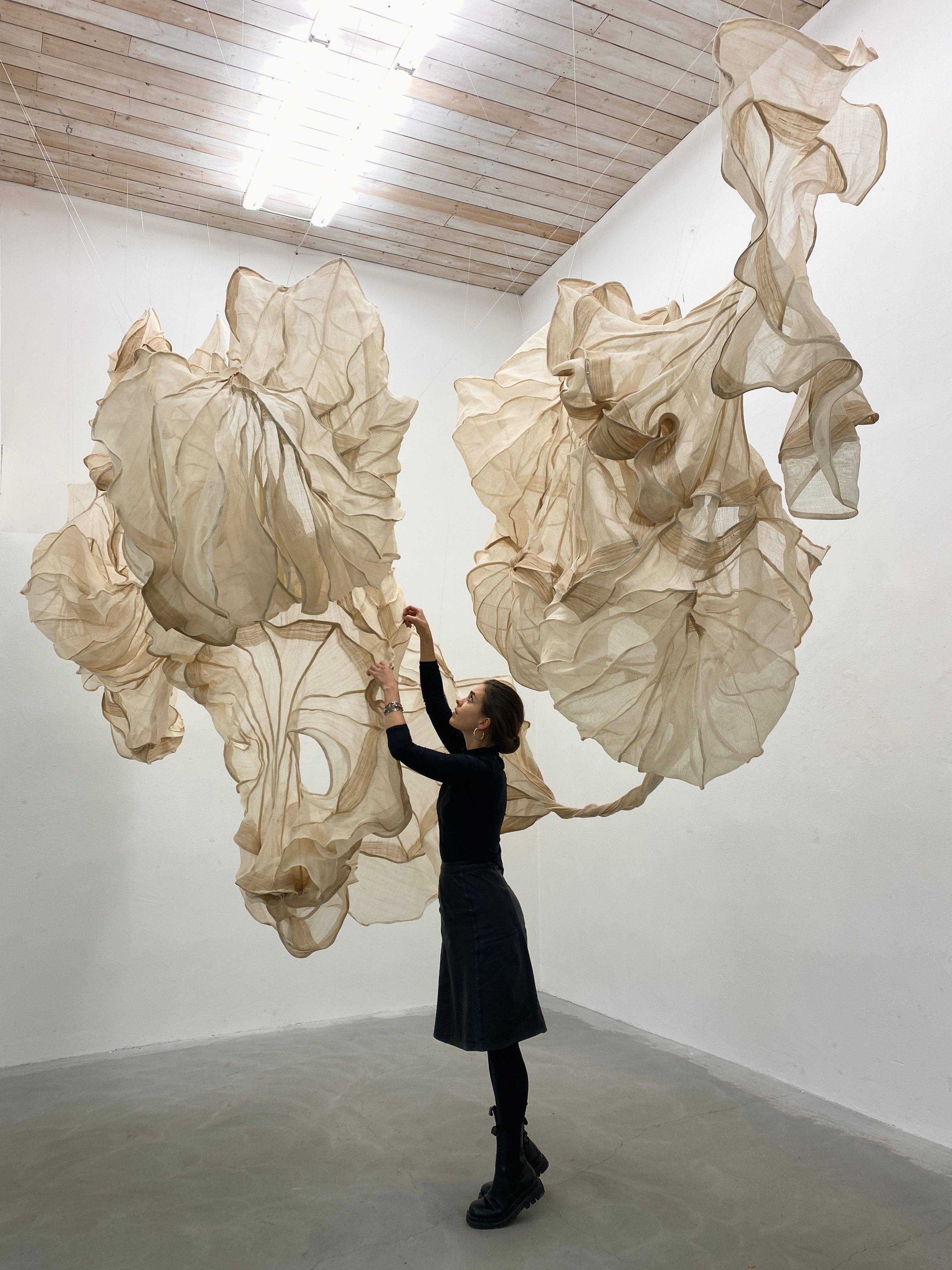
Diana Orving’s artistic practice exists at the intersection of textiles, movement, and space, where fabric becomes a dynamic medium of expression. Originally self-taught in clothing design, she has expanded her approach beyond the wearable, embracing textiles as sculptural structures that capture energy, gesture, and transformation. Her work blurs the boundaries between sculpture, installation, and performance, creating immersive environments where textiles breathe, unfold, and respond to movement. In this conversation, Orving reflects on her early encounters with fabric, the evolution of her sculptural practice, and the role of movement in her creative process. Engaging in an intuitive dialogue with her materials, she navigates a delicate balance between control and freedom, allowing space itself to act as an extension of the body. As she prepares for upcoming exhibitions across Europe and continues to explore interdisciplinary collaborations, her work remains deeply connected to the ephemeral nature of presence and transformation.
Your artistic practice is deeply rooted in textiles and movement. Can you tell us about your first encounters with fabric and how they influenced your work?
My connection to fabric began early—my mother was an artist working with paint and textiles. I vividly remember the textures, smells, and colors of her materials. Textiles, for me, are linked to care, memory, and imagination. As a child, I played with fabric freely, using my mother’s sewing machine from the age of four. Working with textiles has always been intuitive. I see them as a way to shape space, capture energy, and create something deeply personal and intimate.
How did your experience in clothing design lead to your sculptural and installation-based work?
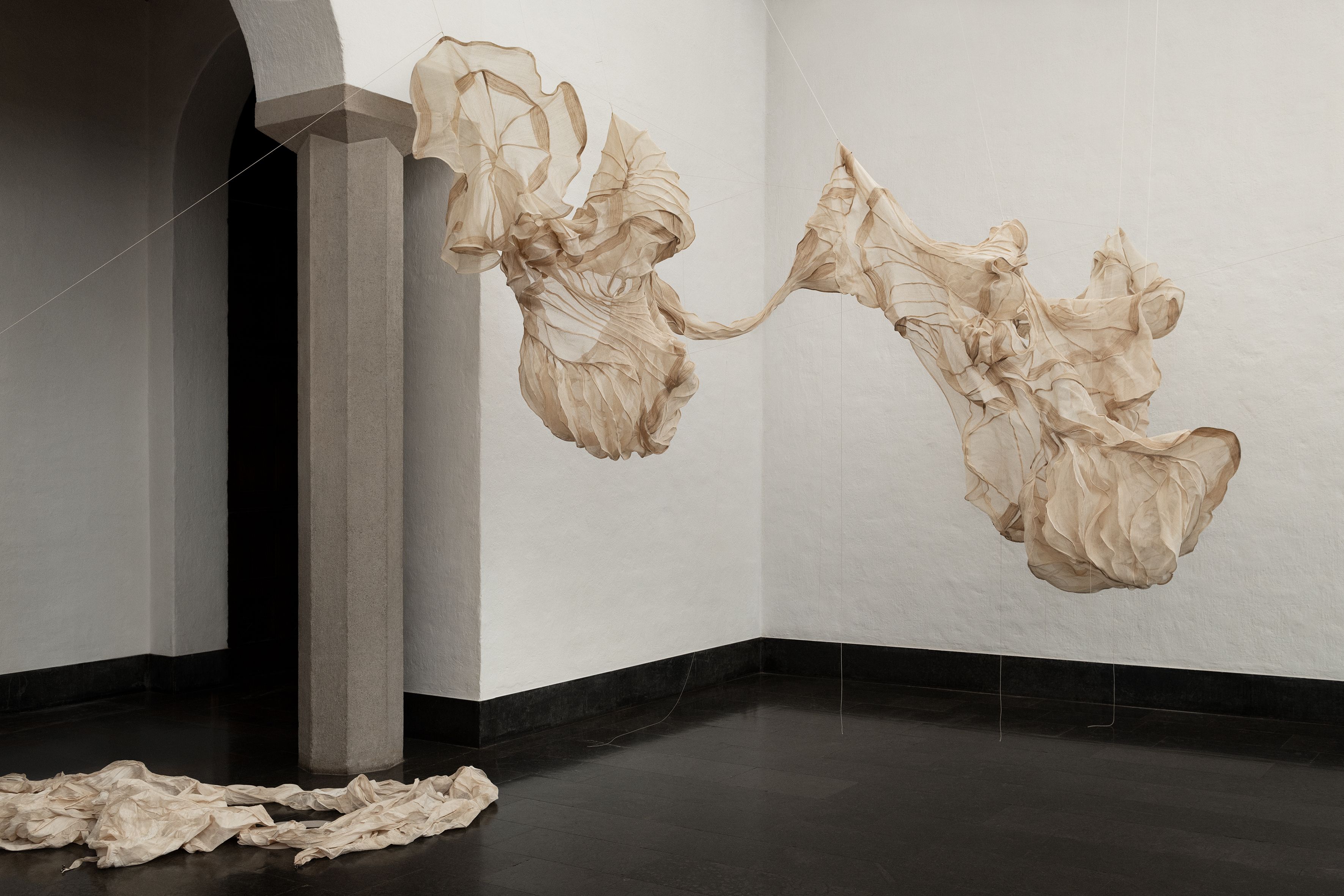
Clothing design was initially my way of exploring in relation to the body. I was always more interested in how a garment felt and responded rather than how it looked. As a self-taught designer, I developed my own pattern-making techniques, treating garments as mobile, fluid architecture, draping fabric directly on my own body. Over time, my work expanded beyond wearable pieces into free-standing textile sculptures and installations. I began to see fabric not just as material for clothing but as a structure that defines space and holds traces of motion—almost like frozen choreography.
Your work involves hand-stitching, painting, dyeing, and fabric treatments. How do you choose techniques for a piece?
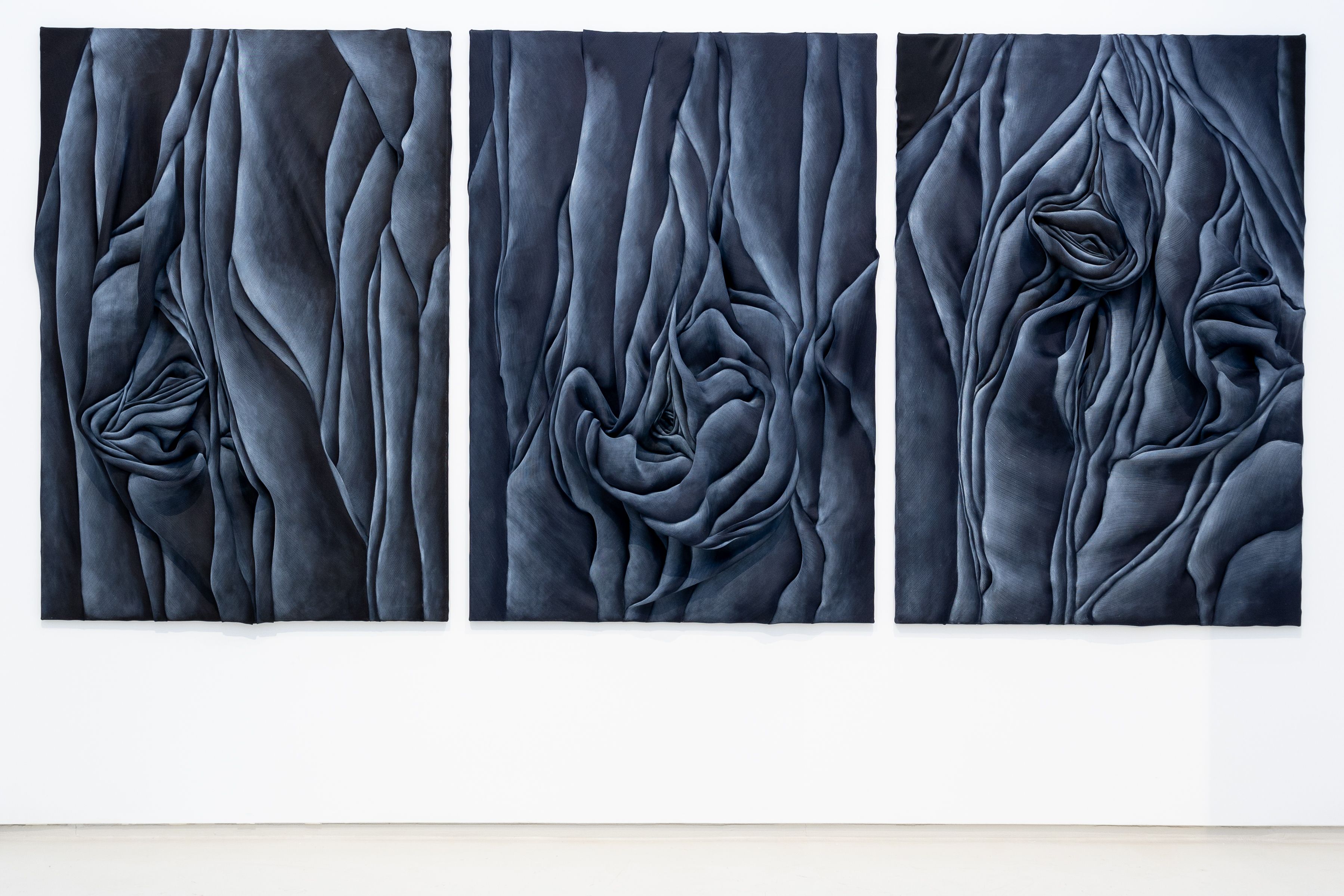
It’s an intuitive process. Each piece determines its own needs—how it should feel, interact with space, or resist gravity. Machine- and hand-stitching create texture and tension, dyeing adds depth, and treatments enhance the fabric’s qualities. I see these processes as "programming" the fabric, embedding it with memory.
What materials do you typically work with, and how do they influence your pieces?
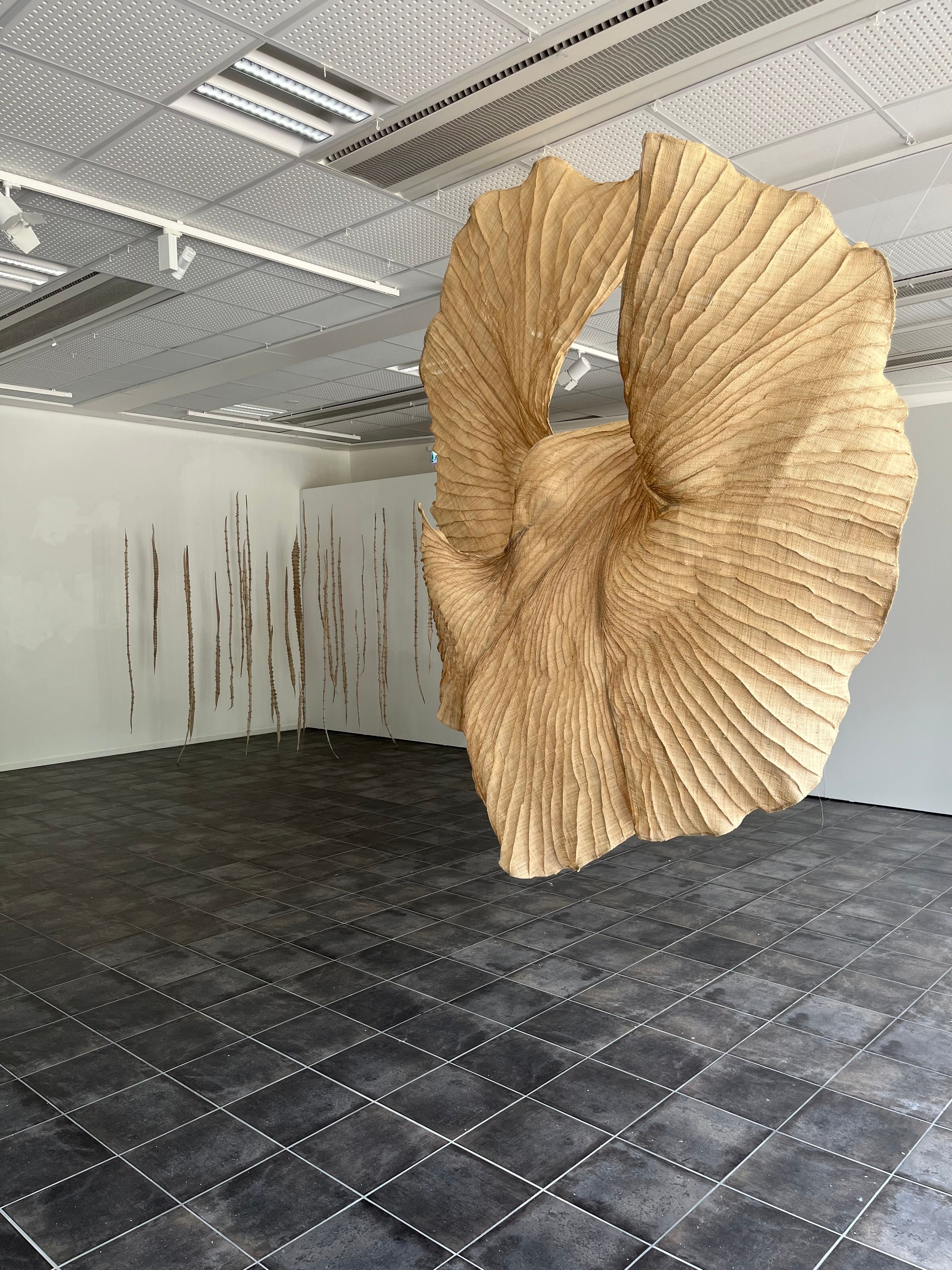
I work primarily with natural fibers such as abaca, raffia, jute, silk and linen. These materials have an organic, living quality—they hold traces of time, they shift with light and air. The choice of material is guided by what the piece needs to express. Sometimes I need translucency and lightness, sometimes a raw, fibrous density.
Your work often explores movement, transformation, and spatial relationships. You have even described your approach as "working choreographically" with your sculptures. Could you elaborate on what this means in the context of your creative process?
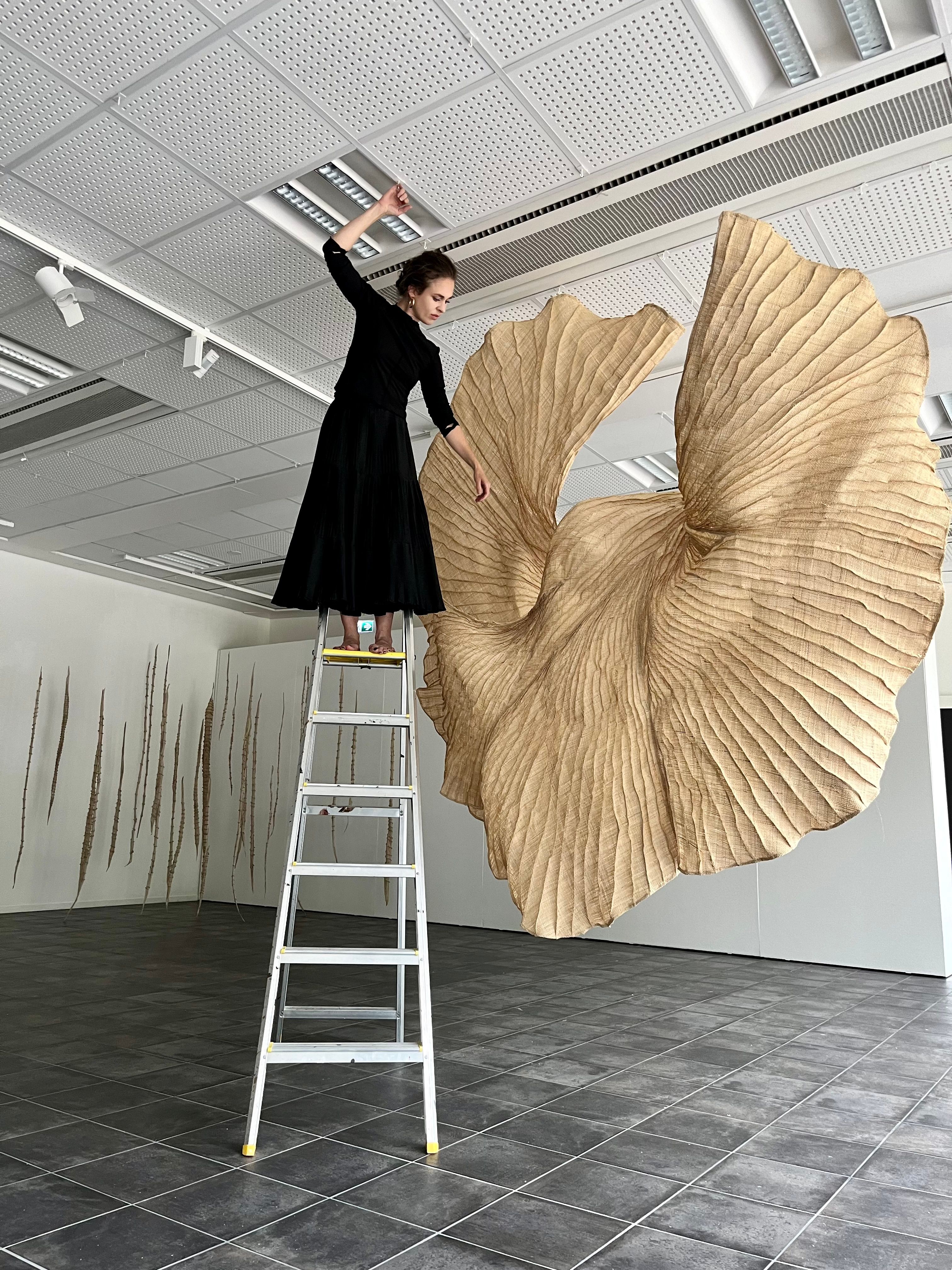
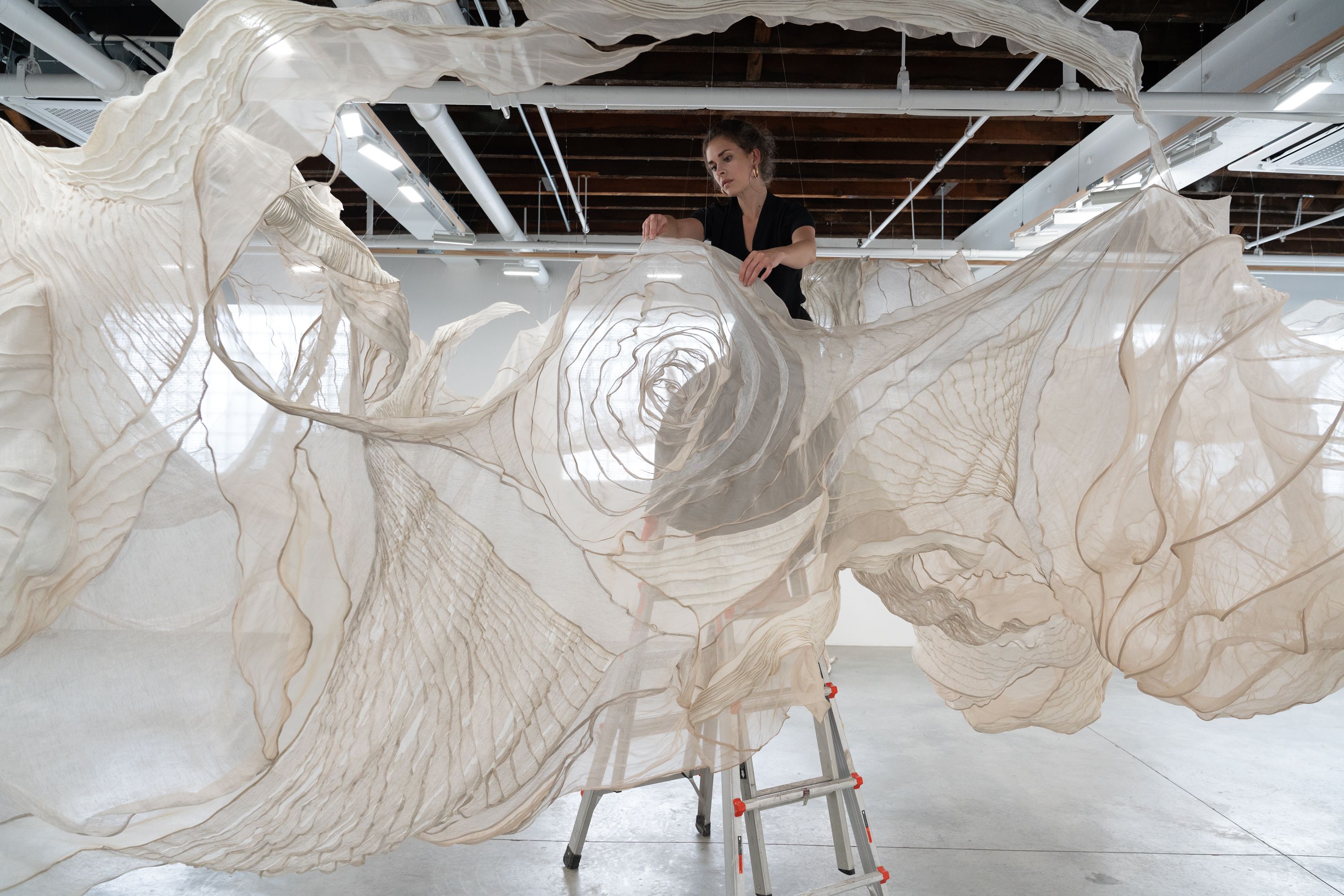
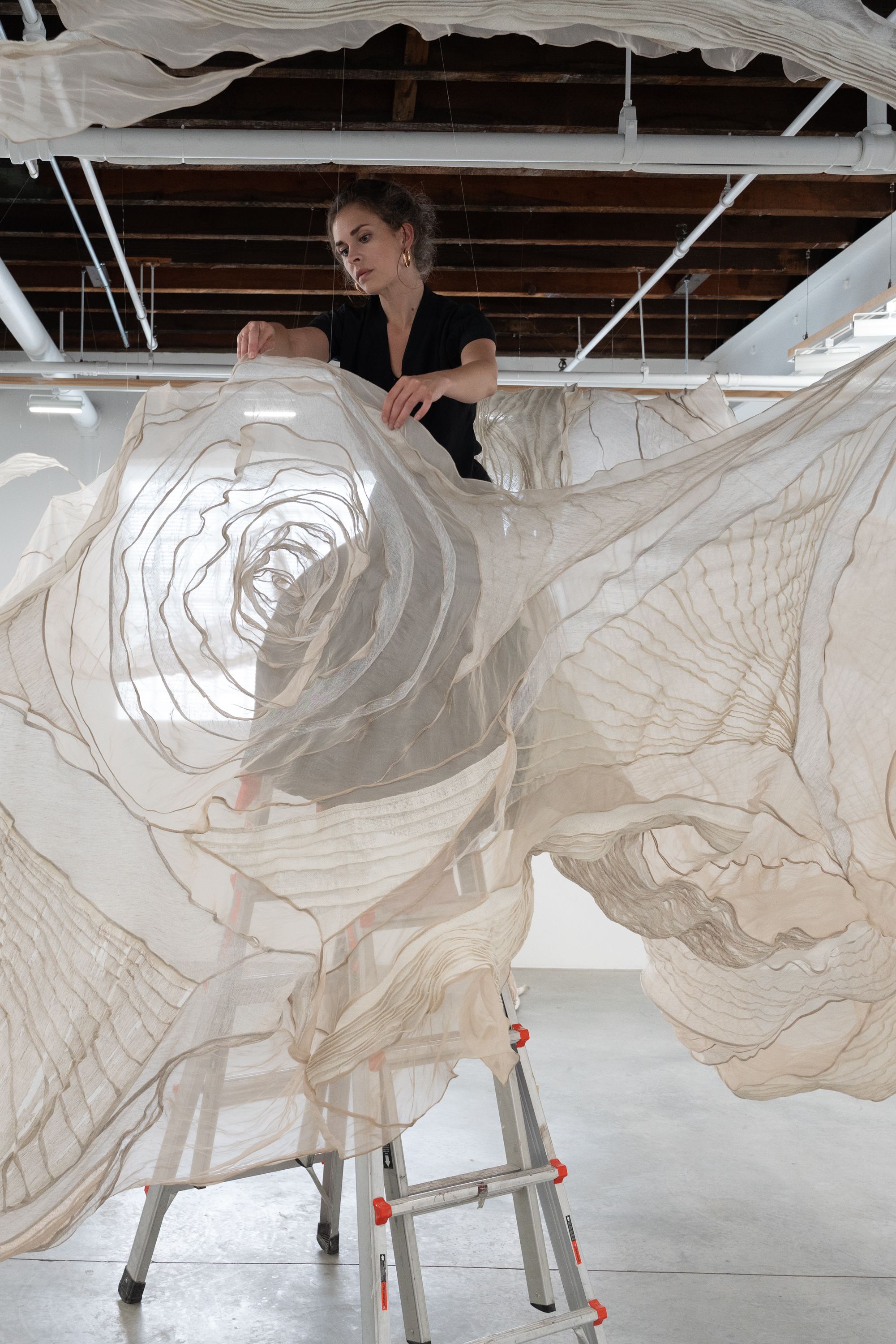
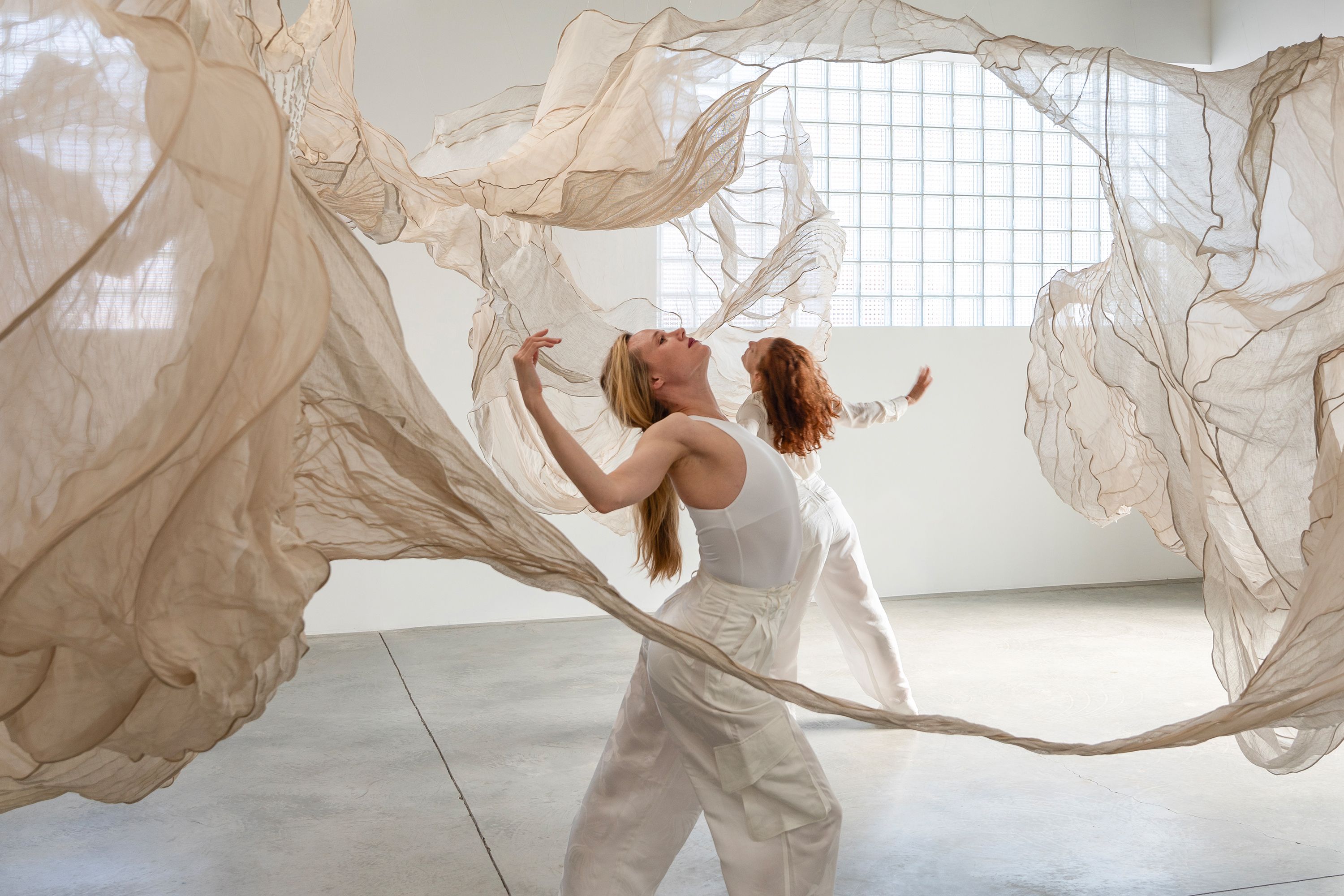
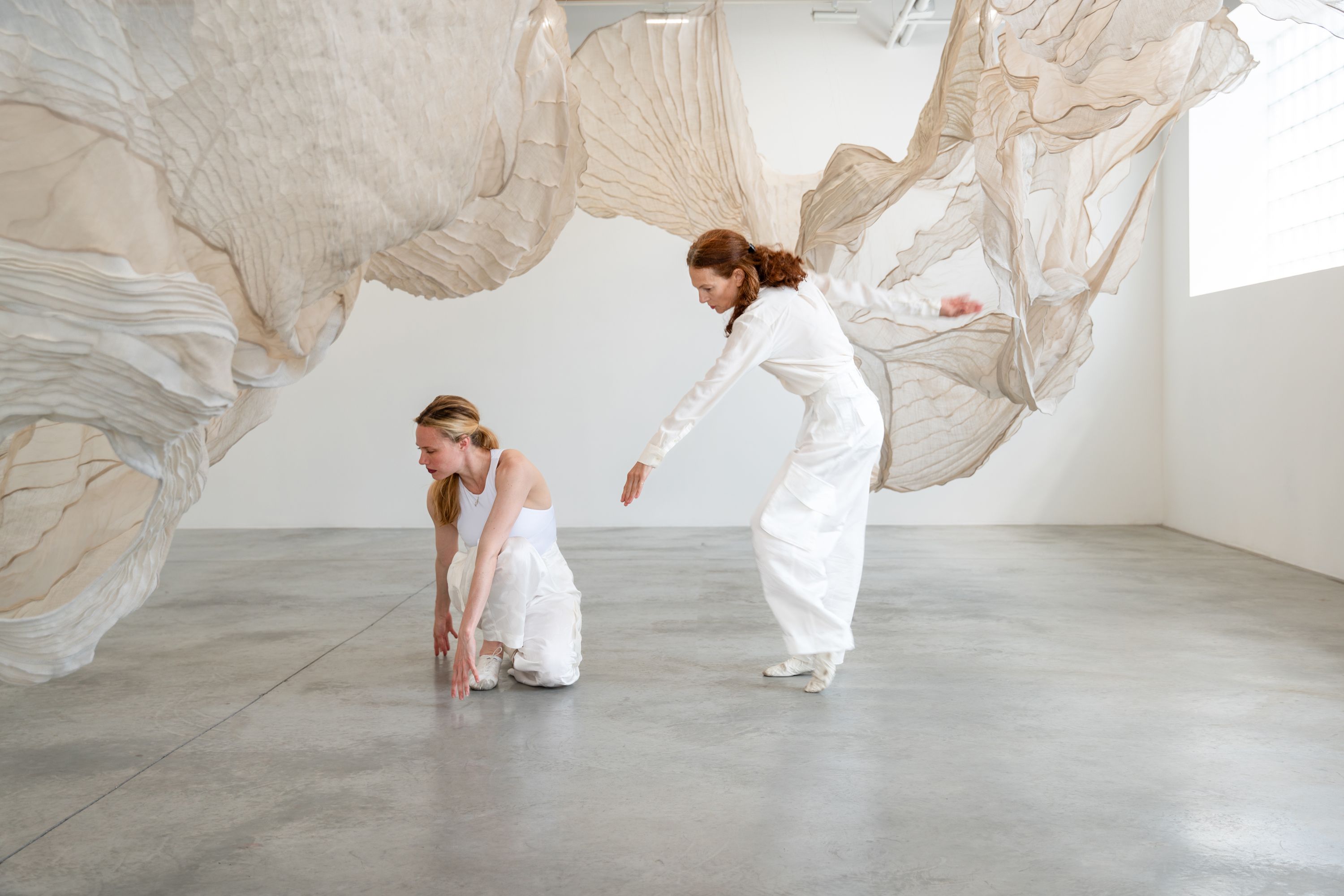
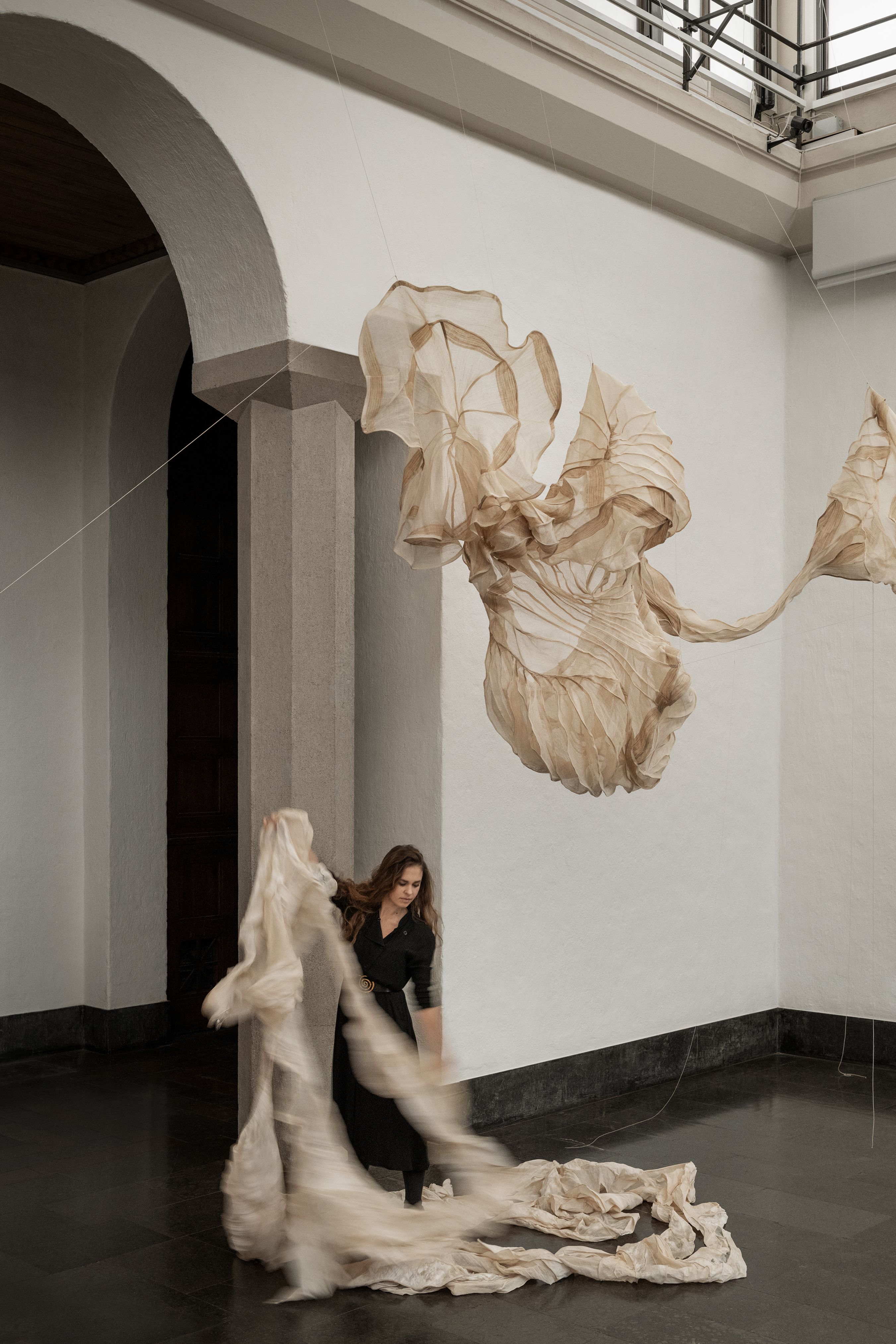
I see my sculptures as living forms rather than static objects. When I work, I interact with the material as if directing a dance—it’s about tension, rhythm, and expression. I was trained in classical ballet and modern dance for many years, and I bring movement into my art practice. Installing a piece, climbing a ladder, carrying the pieces of material, watching them unfold and transform depending on how I suspend them. It all becomes a choreography in space.
There’s always a physical dialogue between me and the work, a push and pull like dance. The lightness of the textiles allows me to work on a monumental scale, yet the larger the sculptures become, the less control I have over them. It feels like creating an organism that overpowers me, forcing me to surrender to its own temperament and form.
Have collaborations shaped your work?
Yes, collaboration is essential. I’ve worked with choreographers and performers, but what influences me most is being close to artists from different fields—musicians, writers, actors, photographers, and composers. Sharing experiences and insights into each other’s creative worlds is invaluable.
The Performance Series at Carvalho Park explores the intersection of textiles and movement. How do you see the performative aspect of your work evolving?
I’m fascinated by how my sculptures exist both as still objects and as forms activated by movement. For the performance series at Carvalho Park Gallery in New York, choreographer Jodi Melnick and New York City Ballet principal Sara Mearns responded to my site-specific installation Spirit Playground. The sculpture suggested movement, and their choreography extended its lines, making it breathe. The dancers and fabric merged, dissolving boundaries between body and sculpture. My process itself is a choreography—each stitch and seam contributes to the overall flow. I want my installations to invite exploration, contemplation, and an intimate tension between the work and the viewer.
You participated in the Turkish Textile Biennial, which explores sustainability in textile production. How does sustainability influence your work?
Sustainability is embedded in my practice through my material choices and process. I use plant-based fibers and natural dyes, avoiding synthetic treatments. Beyond that, I think about time and impermanence—honoring materials through transformation, time, and presence.
You have upcoming exhibitions in Madrid, the Netherlands, and London. Can you share the themes behind these projects?
The group exhibitions We Are Nature (Singer Laren Museum) and Slipping the Veil (St. Bartholomew’s Cathedral, London) explore themes of nature, movement, and transformation. A Square in the Forest in Madrid is a duo show with Spanish painter Raul Illarramendi, curated by Domenico di Chirico. I’m still at the beginning of this work. In my studio, there’s a new shape—reminding me of a bird. I hope it will guide me.
Are there artists, designers, or performers who have influenced your work?
I’m drawn to artists who explore intuition, materiality, and transformation—Louise Bourgeois, Eva Hesse, and Magdalena Abakanowicz have been important references. In dance, Pina Bausch and Mats Ek inspire me with their ability to balance structure and intuition, playfulness and deep human emotion.
You’ve worked across different formats, from wearable pieces to sculptural installations. Are there new directions you’d like to explore?
I’m interested in integrating digital media—projections or light—to create shifting surfaces. I also want to develop site-specific installations in nature, where textiles interact with wind, water, and time, dissolving and evolving like natural elements.
Any dream projects or collaborations?
I’d love to collaborate with a dance company on a large-scale performance where the sculptures are integral to the choreography.